Visitors BookNear me

New here? What is Visitors Book?

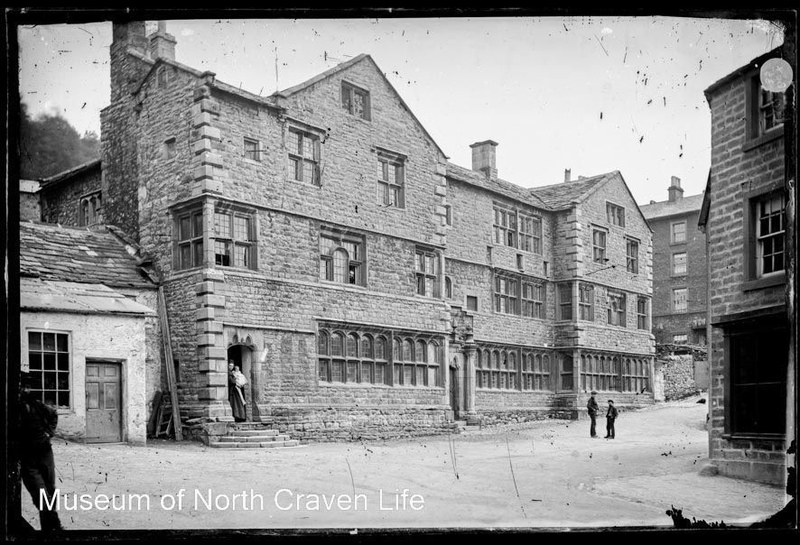
Sheep market in the Market Square, Settle
Sheep market in the Market Square, Settle, Horner Photographic Studio, 1889. The Horner Photographic Collection, Museum of North Craven Life (The Folly), Settle. CC BY 4.0. See the work

Here and now in

Settle

Listen first: Settle in two minutes

Every quote in it is word for word from an old book or newspaper. The voices are made by computer, with ElevenLabs.

Solve eight clues hidden in the town's real buildings, and find the dungeon under the market. Climb a crag that was once a giant sundial, and collect a stamp at every stop.

Your location stays on your phone.

Things to do in Settle

The story nearest you

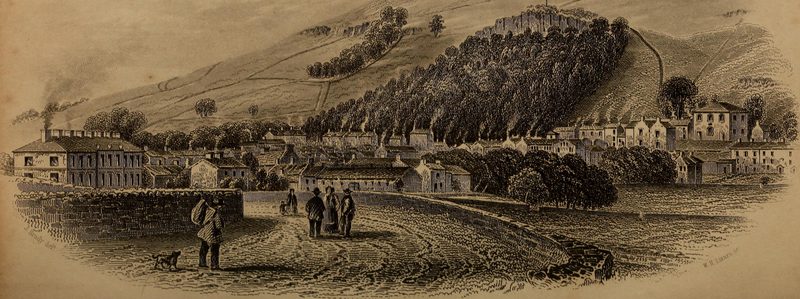
  1. Settle, from the South

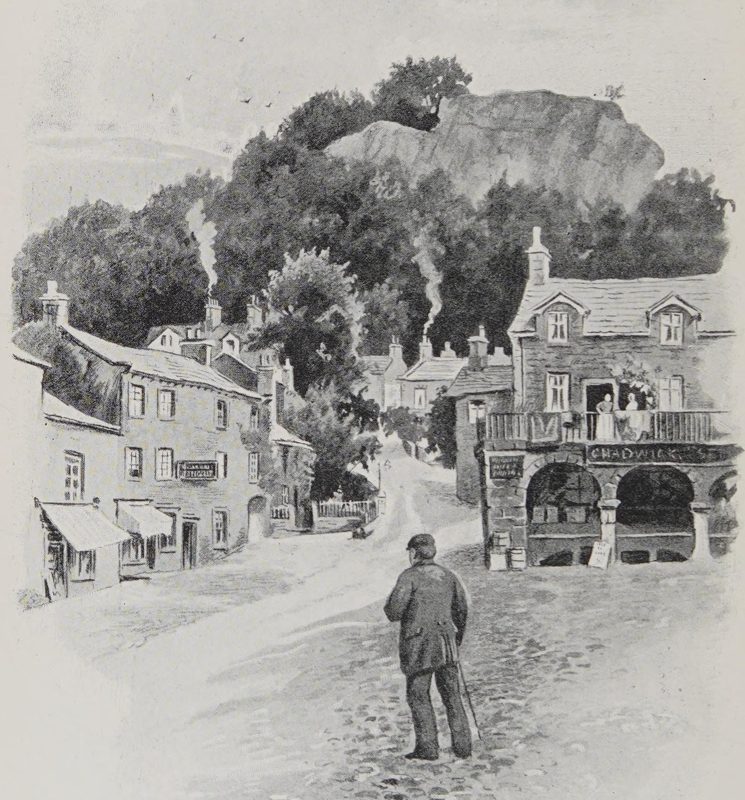
    In the Market Place

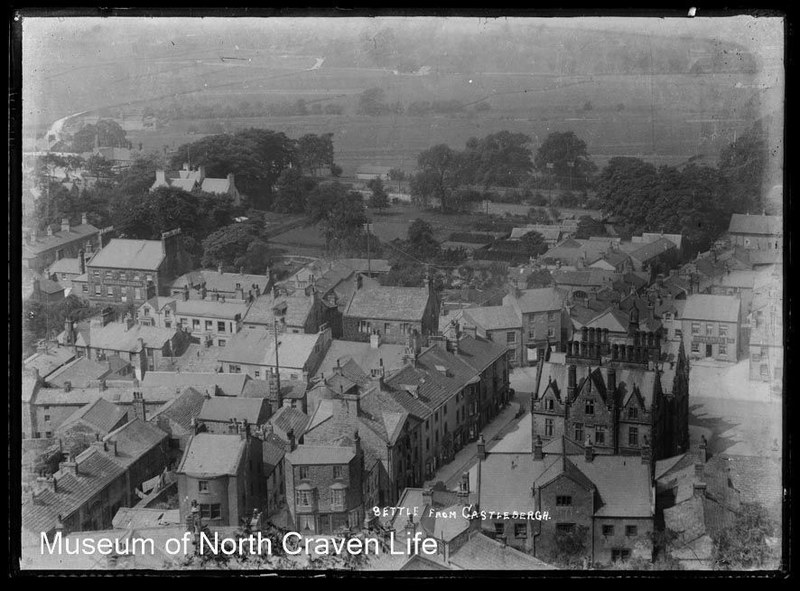
    Settle, the town

    In 1773, many coiners lived around Settle. They made fake coins, or filed bits of gold off real ones. Then a new law about the weight of gold coins came in. When Thomas Pennant came through that year, the coiners were all out of work.

    This story comes from Thomas Pennant, writing in 1773, and Harry Speight, writing in 1892.

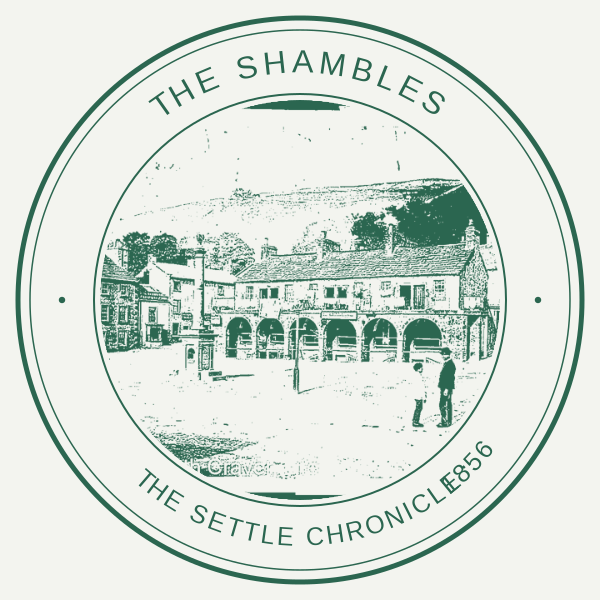
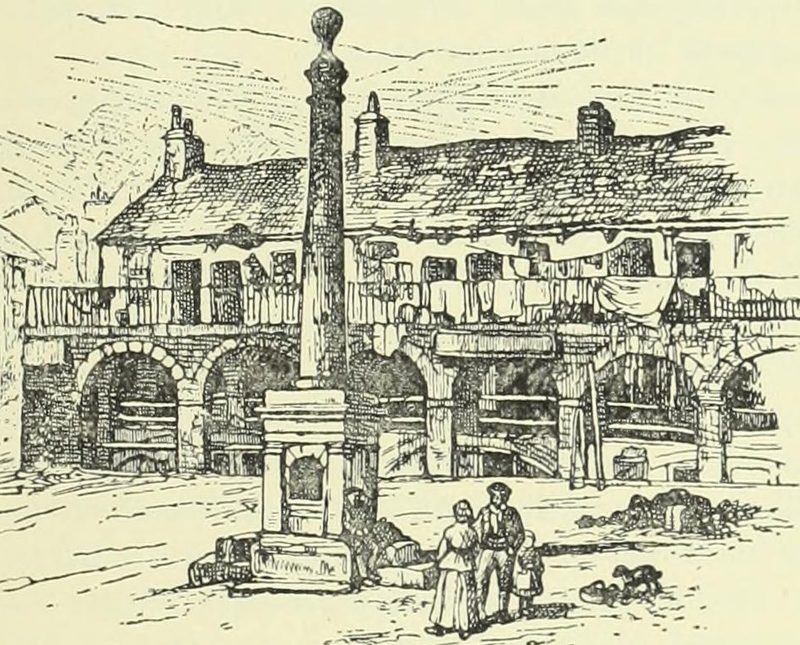
    When you get there Find the Shambles, the old arched building in the market place. Harry Speight said Settle would hardly be Settle without it.
    More about Settle

  2. Market Place, Settle

    In the Market Place

    Market Place

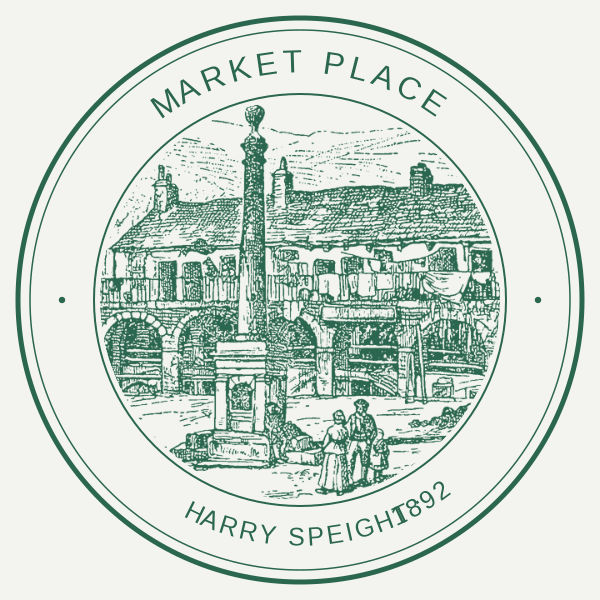
    Under the old market cross there was a dungeon called the Black Hole. You went down a flight of steps into it. A newspaper of 1863 said it was a terror to naughty children. The town filled it in, and put up a drinking fountain near the spot. Low down on the fountain are little troughs of water, so that dogs can have a drink too.

    This story comes from the Settle Chronicle, in 1863, and Harry Speight, writing in 1892.

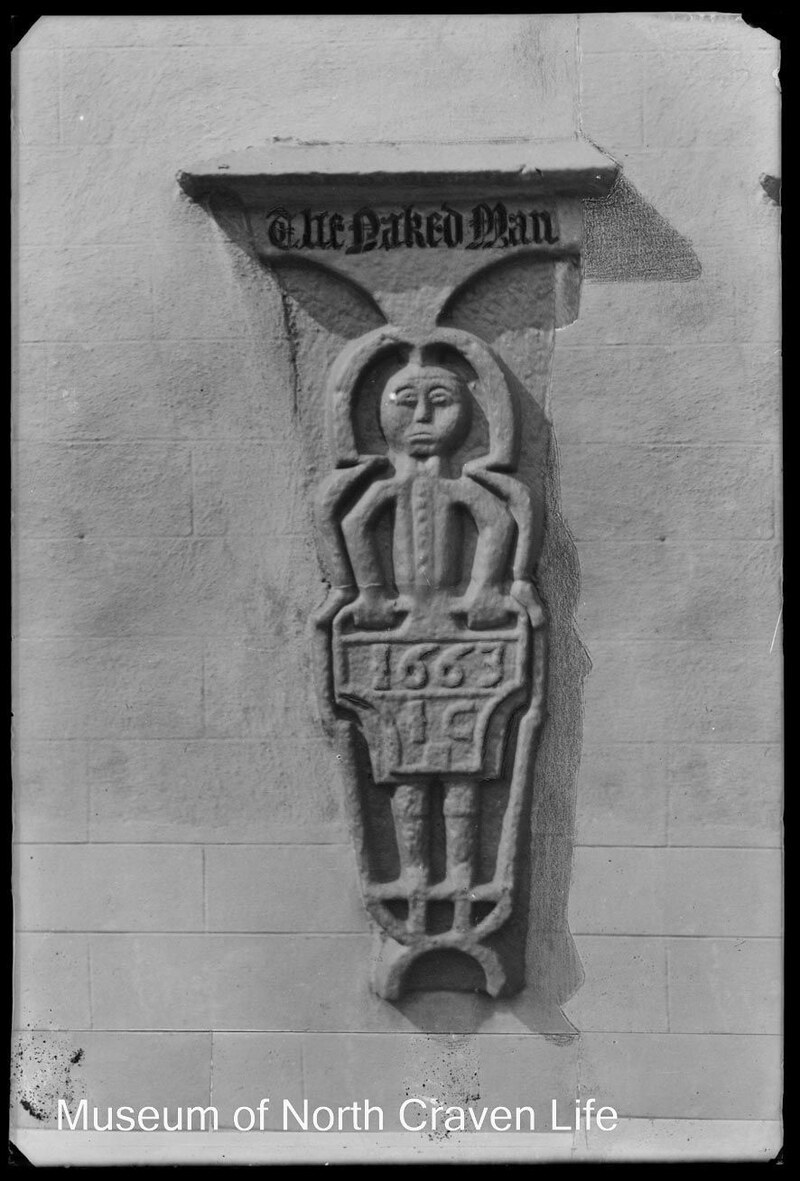
    When you get there Find the fountain and its troughs for dogs. Then look round the square for a stone man holding a sign. What year is carved on it?

    More about Market Place

  3. Castleberg, Settle

    3 min from the Market Place

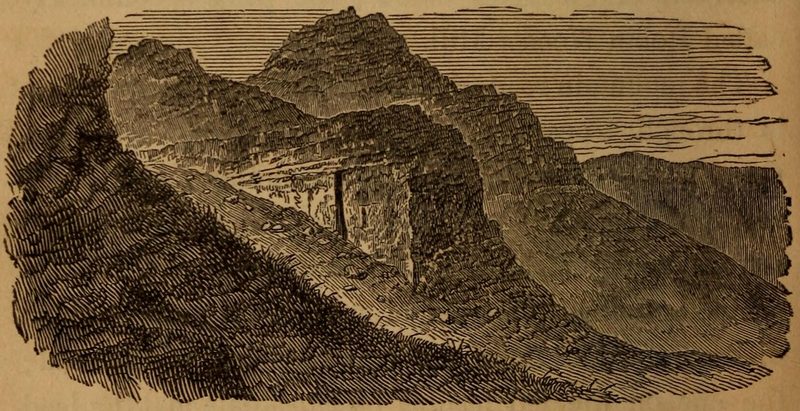
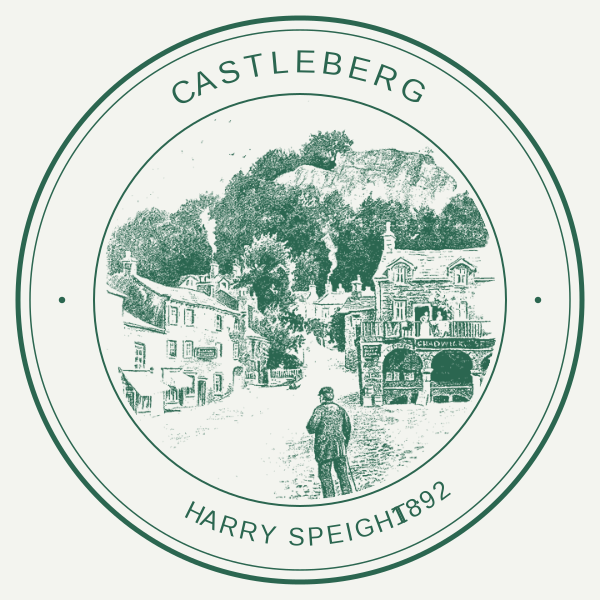
    Castleberg

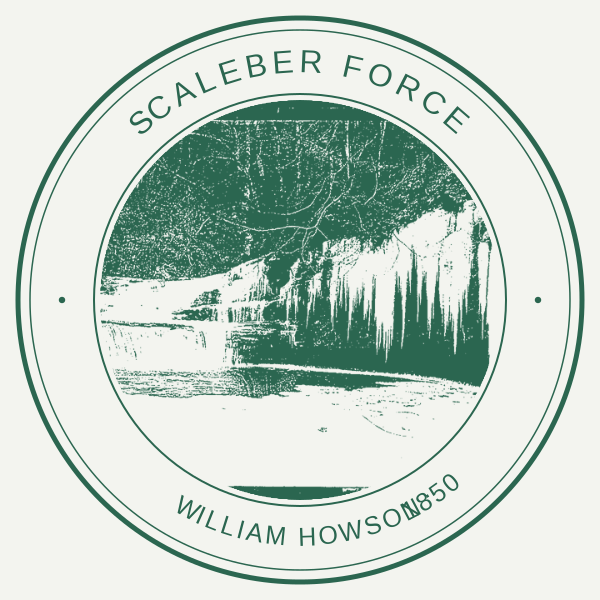
    The top of Castleberg, the rock above Settle, was once part of a huge sundial. Its shadow moved across big stones on the hillside, and told the town the time. The stones were taken away long ago, and trees grow there now.

    This story comes from Thomas Dunham Whitaker, writing in 1805, and William Howson, writing in 1850.

    When you get there Climb to the top and look down on the town. Then look at your own shadow. Which way would the rock's shadow fall now?

    More about Castleberg

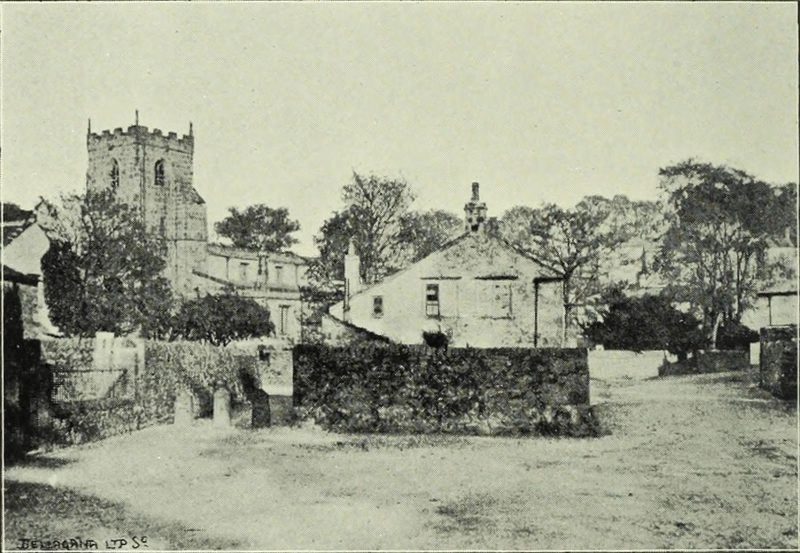
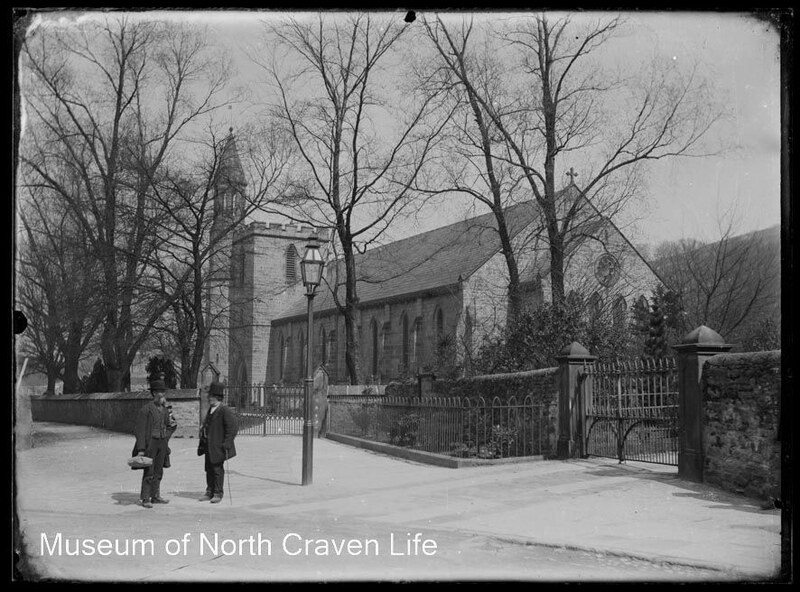
  4. Holy Ascension church from the street, Settle

    3 min from the Market Place

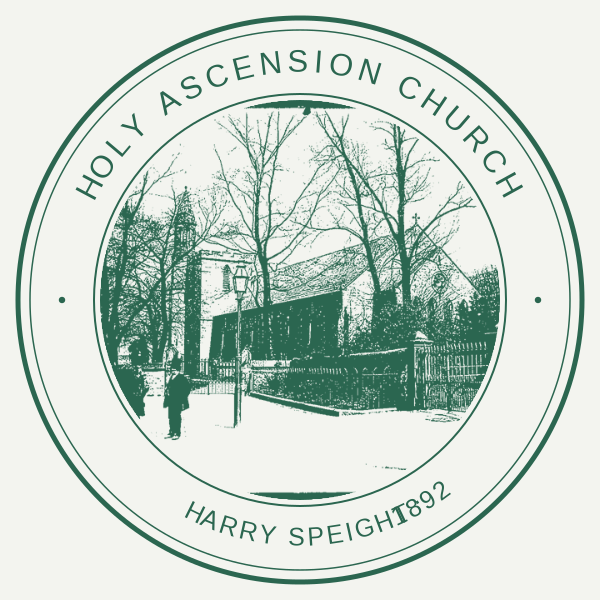
    Holy Ascension Church

    One day in 1856 a storm broke over Settle while children were in this church. The children heard a crackle, like a loud match being struck. One girl felt a pain strike her eyes. Someone saw a spark of fire burst in the air, just above the children's heads.

    This story comes from the Settle Chronicle, in 1856, and Harry Speight, writing in 1892.

    When you get there Most old churches point east. Harry Speight noticed that this one stands north and south. Use the sun, or a phone's compass, to check which way it points.

    More about Holy Ascension Church

  5. The Victoria Hall, Settle

    3 min from the Market Place

    Victoria Hall

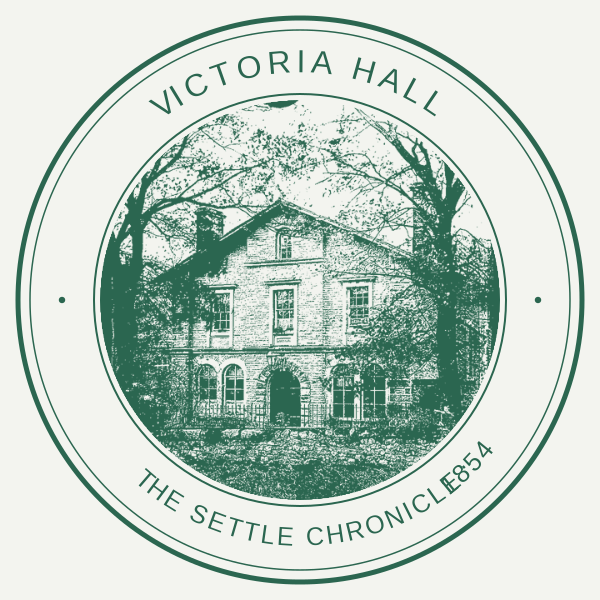
    In 1866 the famous General Tom Thumb came to the Music Hall in Settle, with his wife and her sister, Minnie Warren. The newspaper called Minnie infinitesimal, which means very, very small. Lots of children came to see the show. The newspaper joked that their parents came too, pretending to look after the children, but really because they wanted to see.

    This story comes from the Settle Chronicle, in 1866.

    When you get there Stand across the street and look at the hall. Would you have queued to see Tom Thumb?

    More about Victoria Hall

  6. The Folly, Settle

    3 min from the Market Place

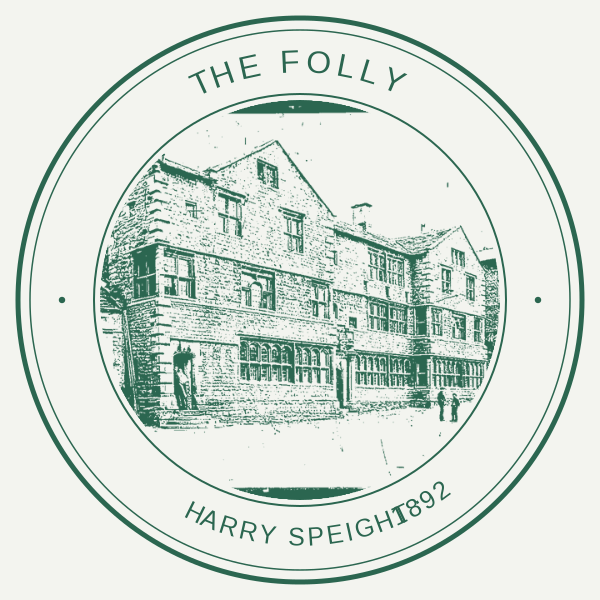
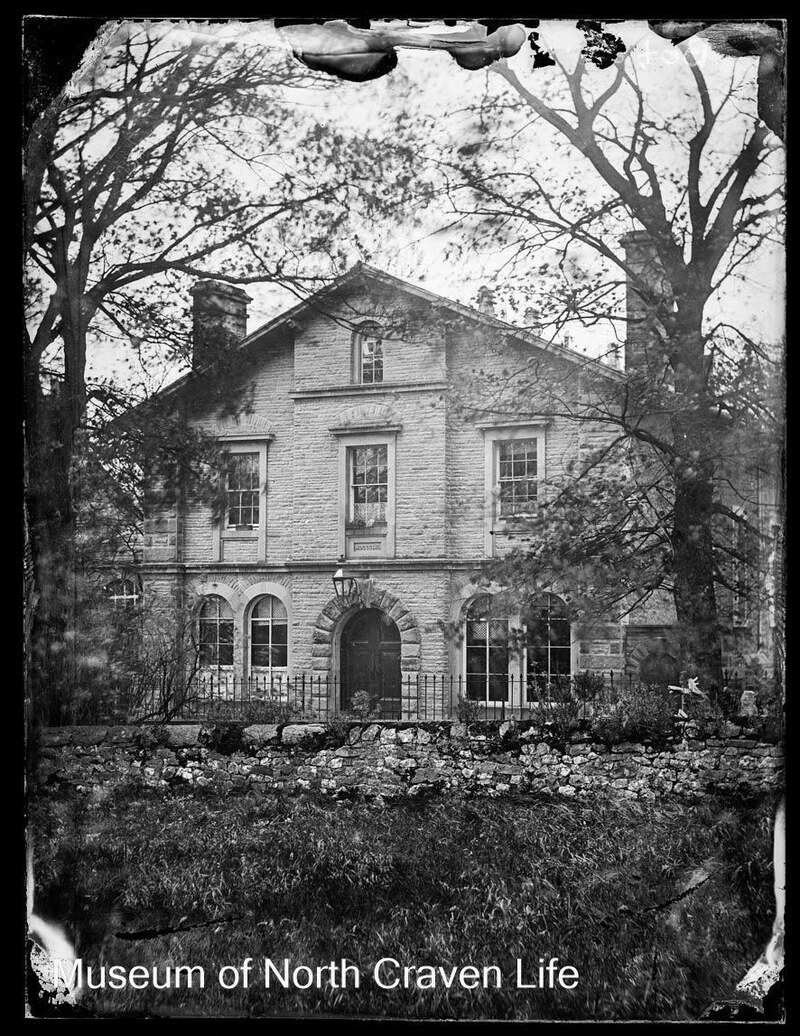
    The Folly

    A family called Preston built this great house, but they never finished it. Harry Speight wrote in 1892 that the money ran out. That, he said, is why it has a tell-tale name: the Folly. Inside, he wrote, there is a panelled room with a secret passage.

    This story comes from Harry Speight, writing in 1892, and J. Radford Thomson, writing in 1879.

    When you get there The house has a very large number of windows. Count the windows on the front.

    More about The Folly

  7. 6 min from the Market Place

    Settle station

    In 1876 men called navvies were building the railway here. At dinner time they lay down on big piles of timber in the station yard, and slept. A visitor wrote that they snored like rich men in feather beds. Out on the boggy moor, wheels sank, so the navvies sent food and bricks on a cart that rolled along on a barrel. Sometimes the horses pulling it sank up to their middles, and had to be pulled out by their necks.

    This story comes from Frederick S. Williams, writing in 1876.

    When you get there If the signal box is open, climb its steps and pull a lever. Watch which signal moves.

    More about Settle station

  8. Settle Bridge over the Ribble

    9 min from the Market Place

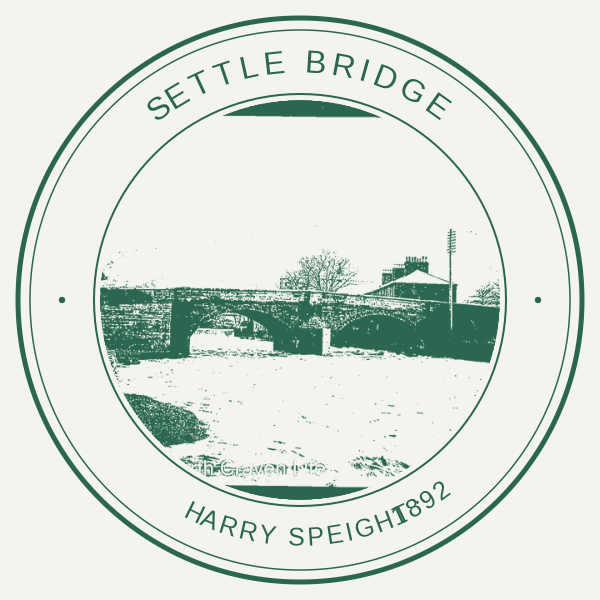
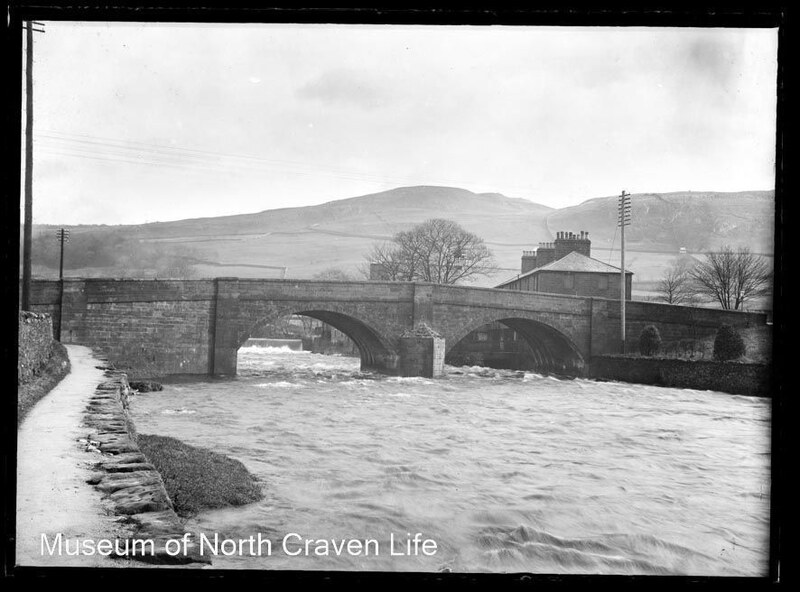
    Settle Bridge

    Stand on the bridge and look up the valley. The big hill you can see up the valley is Pen-y-ghent. A man called Paley is said to have thought it looked like a huge plum cake. Another old book says he called it a raised pie. One half of this bridge is very old. It has three ribs of stone under its arch. The other half was added later, and its stones are flat.

    This story comes from Murray's Handbook for Travellers in Yorkshire, in 1867, William Howson, writing in 1850, and Harry Speight, writing in 1892.

    When you get there Look downstream for the weir and the giant screw beside it. It turns to make electricity from the river. Is it turning today?

    More about Settle Bridge

  9. Giggleswick

    13 min from the Market Place

    Giggleswick

    In 1772 the church here paid a man called John Higson ten shillings a year. His job was to whip the dogs out of the church, and to keep the doors shut. Not far away there is a well that is said to rise and fall by itself. In 1773 Thomas Pennant waited to watch it. The well stayed still. He ran out of patience and went on his way.

    This story comes from the Giggleswick churchwardens' book, in 1772, and Thomas Pennant, writing in 1773.

    When you get there Count the dogs you meet on the way today.

    More about Giggleswick

  10. Rocks near Attermire

    35 min from the Market Place

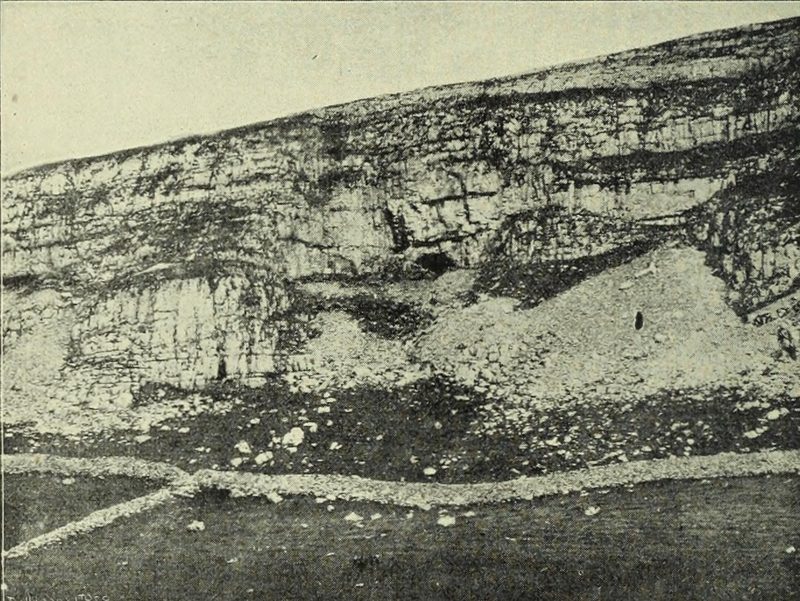
    Attermire Scar

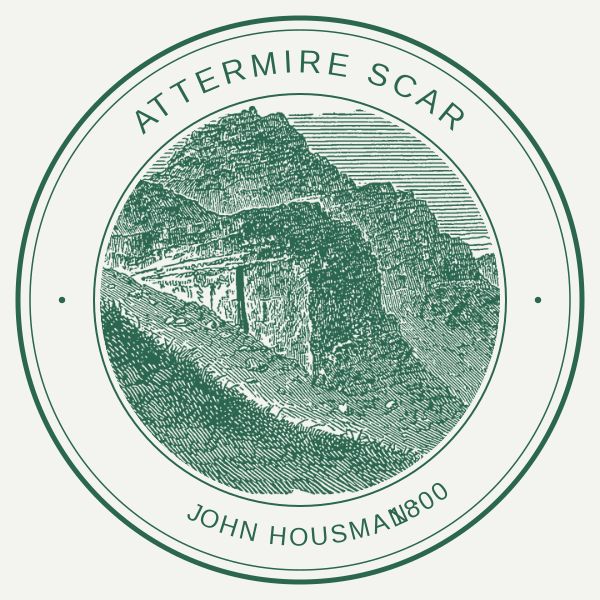
    Long ago, Harry Speight wrote, old folks and nervous ladies who could not run hid in the caves here. While they hid, they sewed and knitted. Many years later, someone found an old broken knitting needle in Attermire.

    This story comes from Harry Speight, writing in 1892, and Jeremy, a visitor writing in the Settle Chronicle, in 1858.

    When you get there In 1858 a visitor said these crags look like a giant's staircase, or a ruined castle. What do they look like to you?

    More about Attermire Scar

  11. Entrance to the Victoria Cave

    36 min from the Market Place

    Victoria Cave

    In 1838 Joseph Jackson was out walking with his dog. The dog chased a rabbit and vanished into a small gap in the rock. Jackson found a cave. He had to lie flat to get in. Inside, the roof was hung with stalactites as white as snow. Later, diggers found the bones of hyenas and a cave tiger.

    This story comes from Harry Speight, writing in 1892, the Settle Chronicle, reporting a lecture, in 1863, and Joseph Jackson, writing in 1838.

    When you get there Look at the mouth of the cave. Could a dog squeeze in there?

    More about Victoria Cave

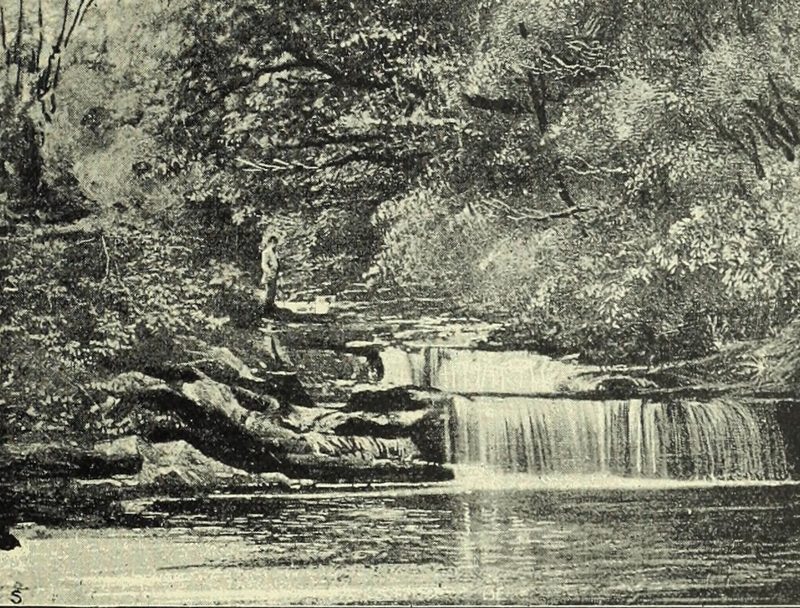
  12. Stainforth Force

    2.1 miles from the Market Place

    Stainforth Force

    Here the whole River Ribble squeezes through a narrow channel of rock. In 1892 Harry Speight said it was perhaps the finest sight along the whole river. In 1920 another writer said it was a small affair, though pretty.

    This story comes from William Howson, writing in 1850, Harry Speight, writing in 1892, and the Accrington Observer and Times, in 1920.

    When you get there Take a vote. Is it the finest sight on the river, or a small affair?

    More about Stainforth Force

Other stories near you

  • In the Market Place
  • In the Market Place
  • 3 min from the Market Place
  • 3 min from the Market Place
  • 3 min from the Market Place
  • 3 min from the Market Place
  • 6 min from the Market Place
  • 9 min from the Market Place
  • 13 min from the Market Place
  • 35 min from the Market Place
  • 36 min from the Market Place
  • 2.1 miles from the Market Place

Stand where the photographer stood

The Horners took these photographs in Settle more than a hundred years ago. Hold up the picture, and find what is still there.

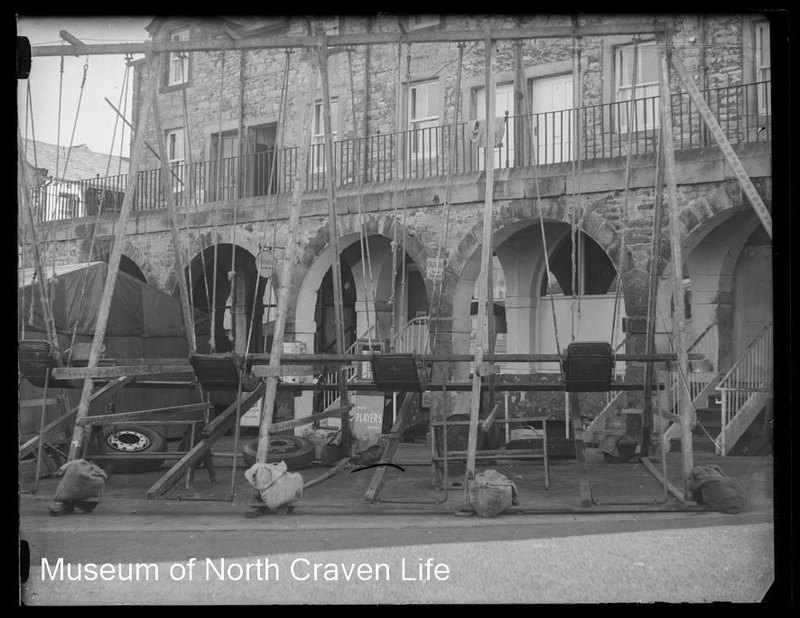
  • A row of empty swing boats hangs from a wooden frame in front of the arches of the Shambles, with railings along the upper floor. Sacks sit on the ground and an old tyre leans against the frame. A small sign reads Players. Sharp, no people.

    Swing boats in front of the Shambles

    Stand here: The Shambles. In the Market Place

    Look closely Stand in front of the Shambles and count its arches. In this photograph a row of swing boats hangs in front of them, with nobody on them yet.

    about 1875 to 1925. Horner Studio, Museum of North Craven Life, CC BY 4.0

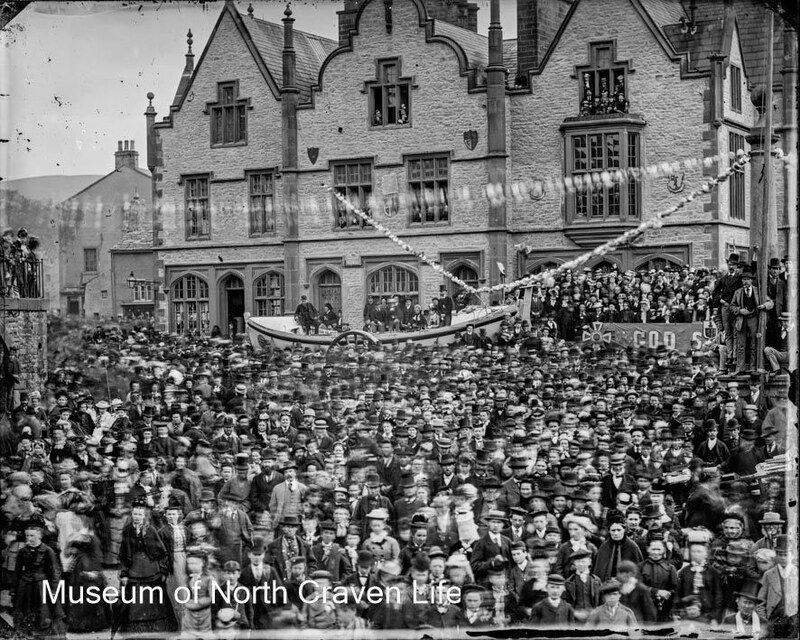
  • A huge crowd in hats fills the square in front of a big stone building with pointed, stepped gables. A white lifeboat on a carriage stands in front of the building with men in it. Flags and bunting hang across the front. People lean out of a small top window in the middle gable. A banner on the right begins 'GOD S'. The picture is sharp, and the faces in the front rows are clear.

    The day a lifeboat came to the Market Place

    Stand here: Market Place. In the Market Place

    Look closely Stand in the Market Place and face the big building with the pointed gables. On 20 May 1875 a lifeboat stood in front of it, and the whole square filled with people. Can you find the top window where people leaned out to watch?

    20 May 1875. Horner Studio, Museum of North Craven Life, CC BY 4.0

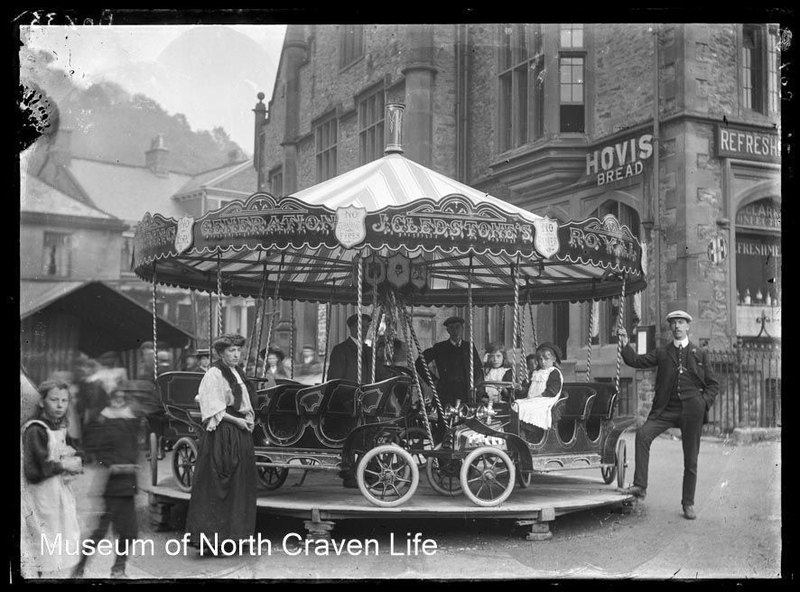
  • A roundabout with a striped canopy lettered J. Gledstone's Royal, with carriages and a small toy motor car on its platform. Three children sit on the ride, and men and women stand around it. Behind is a stone building with signs reading Hovis Bread and Refreshments. Sharp.

    The fair comes to the Market Place

    Stand here: Market Place. In the Market Place

    Look closely Stand in the Market Place and picture a fair here. In this photograph a roundabout stands in the square, with a little toy car among its seats. Three children sit on the ride. Which seat would you choose?

    about 1875 to 1925. Horner Studio, Museum of North Craven Life, CC BY 4.0

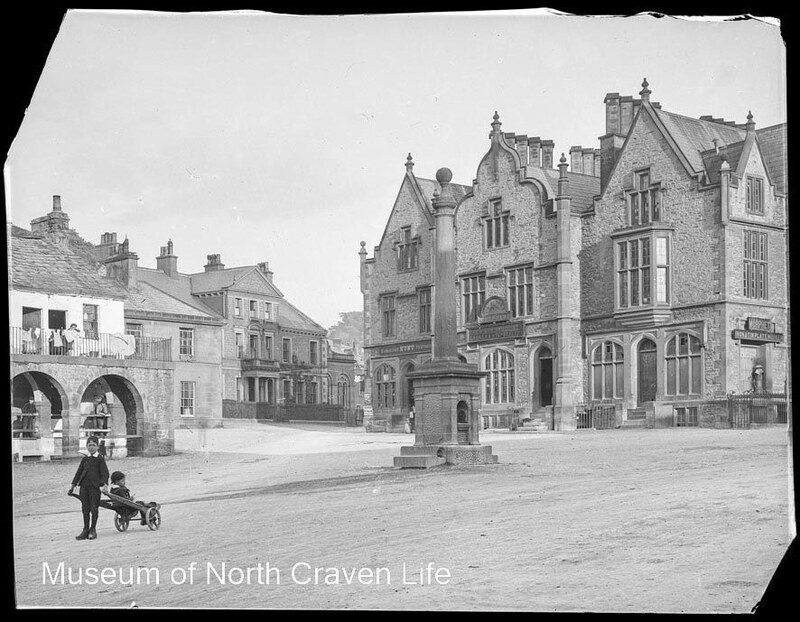
  • A boy in a cap pulls a small child in a low wooden cart across the open square. In the middle stands a tall stone pillar with a ball on top and steps round its base. On the left is the Shambles, with round arches below and washing hung on the balcony above. On the right is a big stone building with pointed gables and bay windows. The picture is sharp.

    A boy with a cart in the Market Place

    Stand here: Market Place. In the Market Place

    Look closely Find the tall stone pillar with a ball on top. In the photograph a boy pulls a little child past it in a small cart, in front of the arches of the Shambles.

    about 1875 to 1925. Horner Studio, Museum of North Craven Life, CC BY 4.0

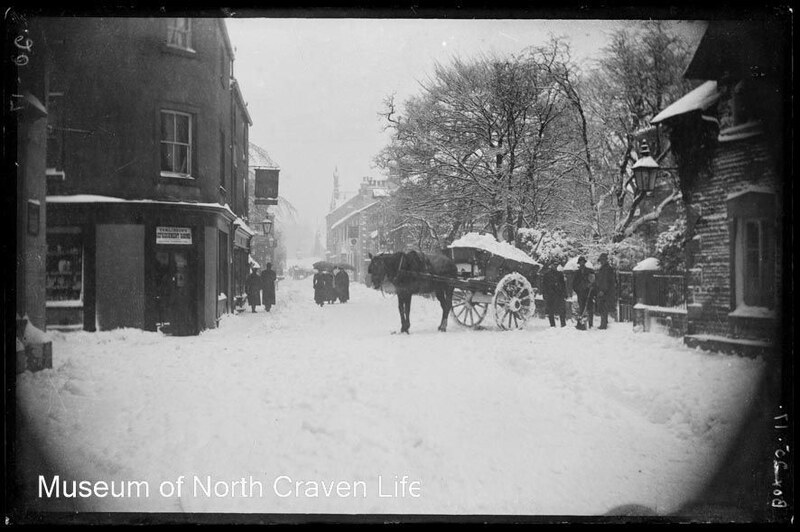
  • A street under deep snow. A dark horse and a two-wheeled cart with snow on its load stand in the middle. A shop on the left has a small sign over its door. It is too small for me to read; the museum reads it as TOMLINSON'S REFRESHMENT ROOMS. People in long coats walk up the street on the left. Snow-covered trees and a lamp are on the right, and a spire shows in the distance. The edges are dark, but the middle is clear.

    Duke Street in the snow

    Stand here: Duke Street. 2 min from the Market Place

    Look closely Walk along Duke Street. In this photograph deep snow covers the street, and a horse and cart stand outside Tomlinson's Refreshment Rooms while people in long coats walk up the street.

    about 1875 to 1925. Horner Studio, Museum of North Craven Life, CC BY 4.0

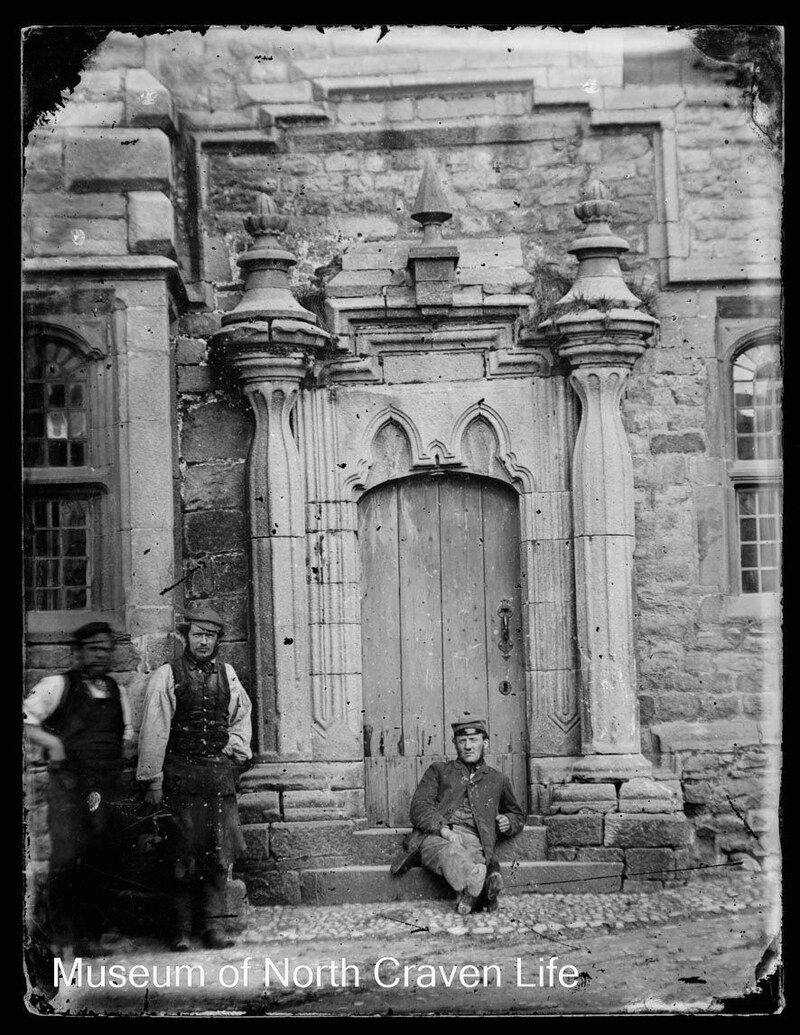
  • Three men at a big arched wooden door. One sits on the step with his legs stretched out. Two stand together beside the door. The door sits between two carved stone pillars with knobbed tops, and a pointed stone stands above the middle of the doorway. There are cobbles in front. The picture is sharp, with some spots and scratches on the plate.

    Three men on the Folly's steps

    Stand here: The Folly. 3 min from the Market Place

    Look closely Stand at the Folly's front door and look at the carved stone pillars on each side of it. In the photograph one man sits on the step and two stand beside him. Can your family pose the same way?

    before about 1885. Horner Studio, Museum of North Craven Life, CC BY 4.0

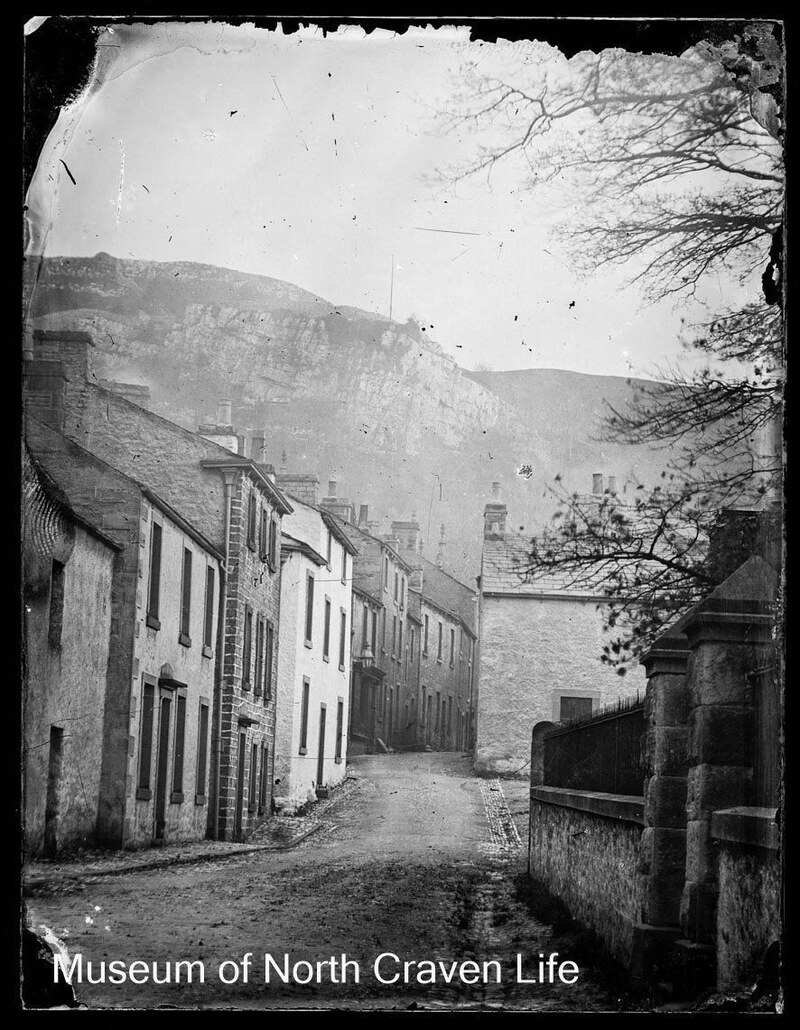
  • A quiet lane runs away from the camera. A row of two and three storey houses lines the left side. On the right are a high stone wall with railings and a big square stone gatepost. Bare branches hang over the right side. A long rocky crag runs across the hillside above the roofs. There are no people. The picture is clear, with spots and a chipped edge on the plate.

    Kirkgate, under the crags

    Stand here: Kirkgate. 3 min from the Market Place

    Look closely Walk along Kirkgate and look up above the roofs. In this photograph a long rocky crag rises over the houses, and a big square stone gatepost stands beside the lane.

    before about 1885. Horner Studio, Museum of North Craven Life, CC BY 4.0

All the old photographs of Settle

Nearest to you

  • Toilets Public toilets, Church Street (Whitefriars, 8am to 6pm every day), 2 min from the Market Place
  • Playground Settle Playground (The Bond Lane play area), 5 min from the Market Place
  • Café The Waffle Cone, In the Market Place
  • Station Settle, 6 min from the Market Place
  • Car park Whitefriars Car Park, 2 min from the Market Place

Minutes are on foot. Map data from OpenStreetMap contributors.