UK · England · North Yorkshire · Craven · In Malham Moor
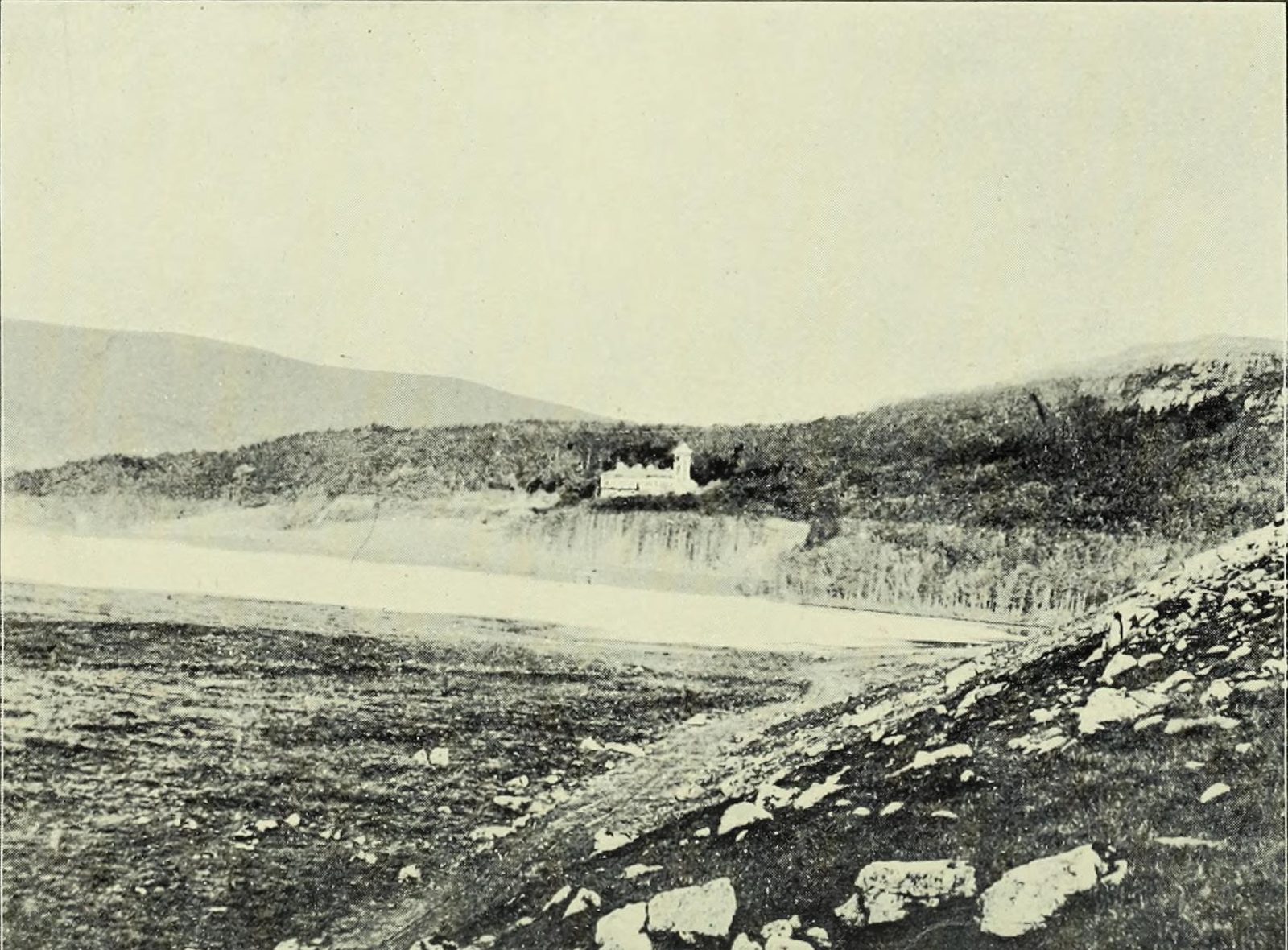
Malham Tarn
With children
This is a tarn, the old northern word for a small lake. It is high up in the hills. In 1773 Thomas Pennant saw the water flow out of it and sink straight into the ground. Old writers said its trout were huge.
This story comes from Thomas Dunham Whitaker, writing in 1805, Thomas Pennant, writing in 1773, John Housman, writing in 1800, and two more writers.
When you get there Look on the water for coots and ducks. Harry Speight saw coots, teals and mallards here in 1892.
What the writers say
Most writers on the Tarn describe its trout and perch, from Pennant in 1773 to Howson's red and silver trout in 1850. Whitaker says the fish once fed the monks of Fountains, thirty miles away.
-
1773
“I saw Malham-turn in a bottom amidst the hills, a small lake about two miles round, famous for trout and perch. The waters which flow from this lake immediately sink under ground”
Thomas Pennant, Welsh naturalist and travel writer, touring in 1773. See the page
Source and note
Thomas Pennant, A Tour from Downing to Alston-Moor (London: Edward Harding, 1801); the tour was made in 1773, page 110.
Pennant's 'Malham-turn' is Malham Tarn.
-
1779 · 20 September 1779
“it abounds in fine trout, but has little else remarkable”
Adam Walker, lecturer in natural philosophy, writing to the General Evening Post. See the page
Source
Thomas West, A Guide to the Lakes, 2nd edition (London, 1780), Addenda, reprinting the General Evening Post of 25 September 1779, page 236.
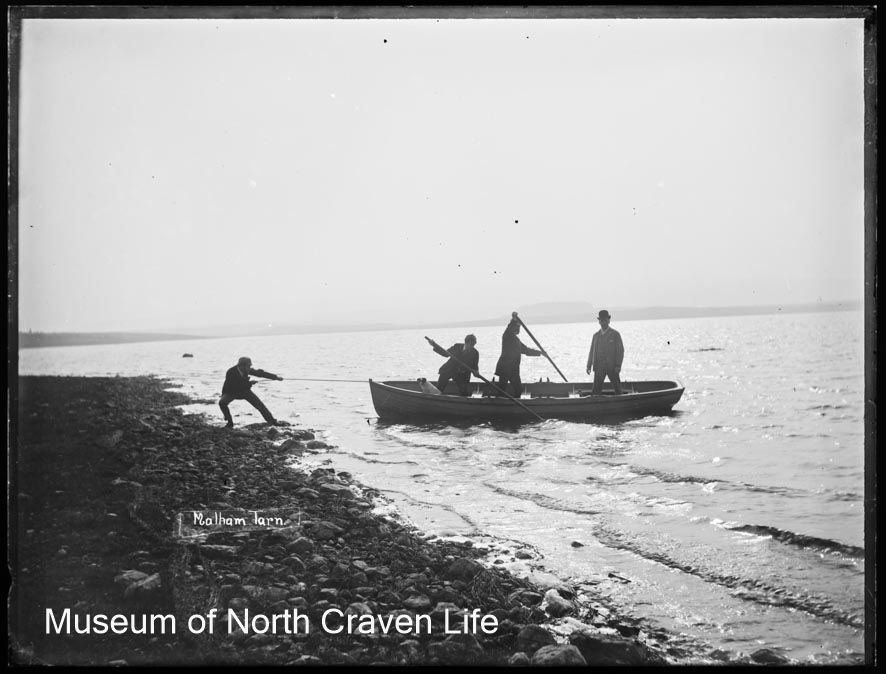
Pulling a boat in, Malham Tarn, Horner Photographic Studio, 1890 to 1920, Victorian. The Horner Photographic Collection, Museum of North Craven Life (The Folly), Settle. CC BY 4.0. See the work -
1800
“the lake itself is of fine clear water, and contains trout in abundance, and of very great weight.”
John Housman, guidebook writer, touring Craven and the Lakes. See the page
Source
John Housman, A Descriptive Tour, and Guide to the Lakes, Caves, Mountains, and other Natural Curiosities (Carlisle, 1800), page 22.
-
1805
“the inexhaustible store of excellent trout and perch, with which this lake has always abounded, must, at one season of the year, have converted the fasts of that house into the most delicious of all repasts.”
Thomas Dunham Whitaker, clergyman and historian of Craven. See the page
Source and note
Thomas Dunham Whitaker, The History and Antiquities of the Deanery of Craven (London, 1805), page 187.
'That house' is the abbey of Fountains, about thirty miles away. Whitaker says the abbey received the lake and its fishery as a grant.
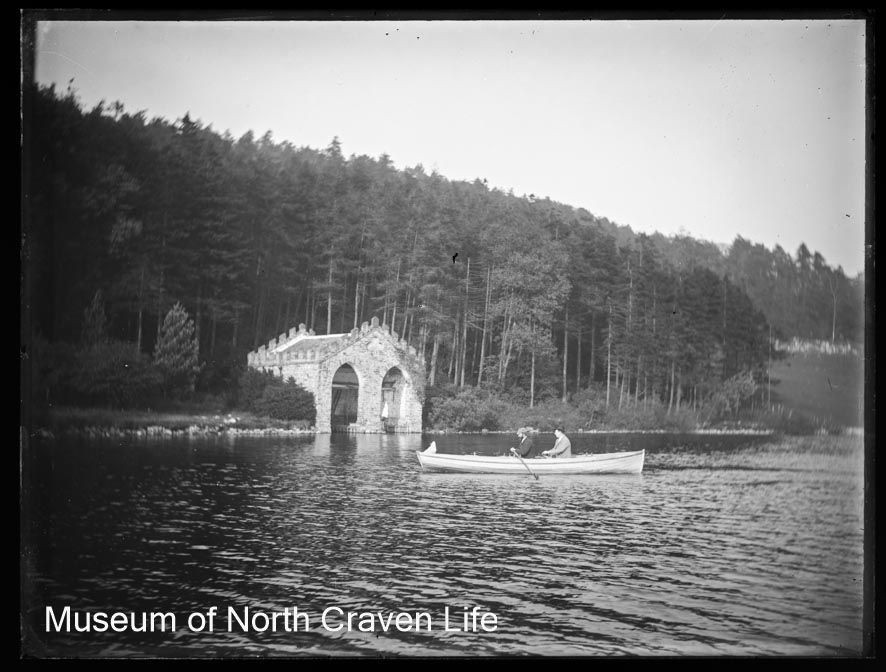
The boathouse, Malham Tarn, Horner Photographic Studio, about 1875 to about 1925, Victorian. The Horner Photographic Collection, Museum of North Craven Life (The Folly), Settle. CC BY 4.0. See the work -
1805
“The Southern Reader may require to be told, that in the dialect of the North of England tarn signifies a small lake”
Thomas Dunham Whitaker, clergyman and historian of Craven. See the page
Source
Thomas Dunham Whitaker, The History and Antiquities of the Deanery of Craven (London, 1805), page 193.
-
1850
“The Trout in Malham Tarn are peculiarly fine ; there are two varieties, the red, and the silver.”
William Howson, Settle guidebook writer. See the page
Source
William Howson, An Illustrated Guide to the Curiosities of Craven (London and Settle, 1850), page 45.
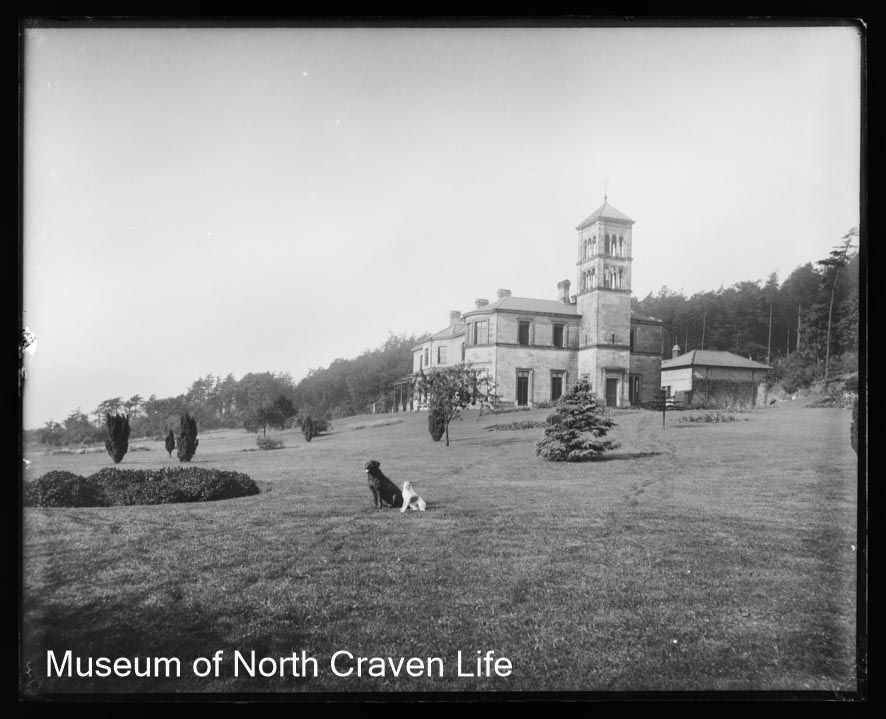
Malham Tarn House, Horner Photographic Studio, about 1875 to about 1925, Victorian. The Horner Photographic Collection, Museum of North Craven Life (The Folly), Settle. CC BY 4.0. See the work -
1853
“Malham Water — a beautiful lake, strangely placed on the high ground ... from which a rill proceeds, but is soon absorbed by the jointed rocks.”
John Phillips, geologist. See the page
Source
John Phillips, The Rivers, Mountains, and Sea-Coast of Yorkshire (London, 1853), page 92.
-
1860 · August 1860
“numerous parties of pedestrians were soon seen climbing the hills in the direction of Malham Tarn, and vehicles of various kinds, filled with passengers. were wending their way in the same direction”
Settle Chronicle, the monthly Settle paper. See the page
Source and note
The Settle Chronicle and North Ribblesdale Advertiser, 1860 volume. Scans held by the Museum of North Craven Life, published by the North Craven Building Preservation Trust (CC BY-NC-SA 4.0), page 37.
A rifle contest at Malham Tarn between the Skipton, Settle and Ingleton Rifle Corps.
-
1861 · June 1861
“As none of the bathers could swim it was only by linking hands that the other two were able with great difficulty and risk to rescue Rushworth ... Holmes was unhappily beyond their reach”
Settle Chronicle, the monthly Settle paper. See the page
Source and note
The Settle Chronicle and North Ribblesdale Advertiser, 1861 volume. Scans held by the Museum of North Craven Life, published by the North Craven Building Preservation Trust (CC BY-NC-SA 4.0), page 27.
Four young men from a Bradford excursion bathed in the Tarn on 15 June 1861; one, Samuel Holmes, drowned.
-
1873 · 26 April 1873
“A telegram from Settle, on Wednesday afternoon, says ... Books and pictures have been saved.”
Grantham Journal, a newspaper, in the British Newspaper Archive's free search extract. See the page
Source and note
Grantham Journal, 26 April 1873, page 7; the words come from the free extract the British Newspaper Archive's search shows, page 7.
Malham Tarn House, Walter Morrison's house, burned in April 1873.
-
1892
“About Malham Tarn may generally be seen the shy waterhen, and flocks of teals and coots, and sometimes a few mallards will be observed.”
Harry Speight, Bradford writer on the Yorkshire Dales. See the page
Source
Harry Speight, The Craven and North-West Yorkshire Highlands (London, 1892), page 320.
-
1900 · 16 June 1900
“for poet, painter, botanist, geologist, and angler. It has the finest moorland tarn in the county”
Newcastle Courant, a newspaper, in the British Newspaper Archive's free search extract. See the page
Source
Newcastle Courant, 16 June 1900, page 2; the words come from the free extract the British Newspaper Archive's search shows, page 2.