UK · England · North Yorkshire · Craven · In Malham
Gordale Scar
With children
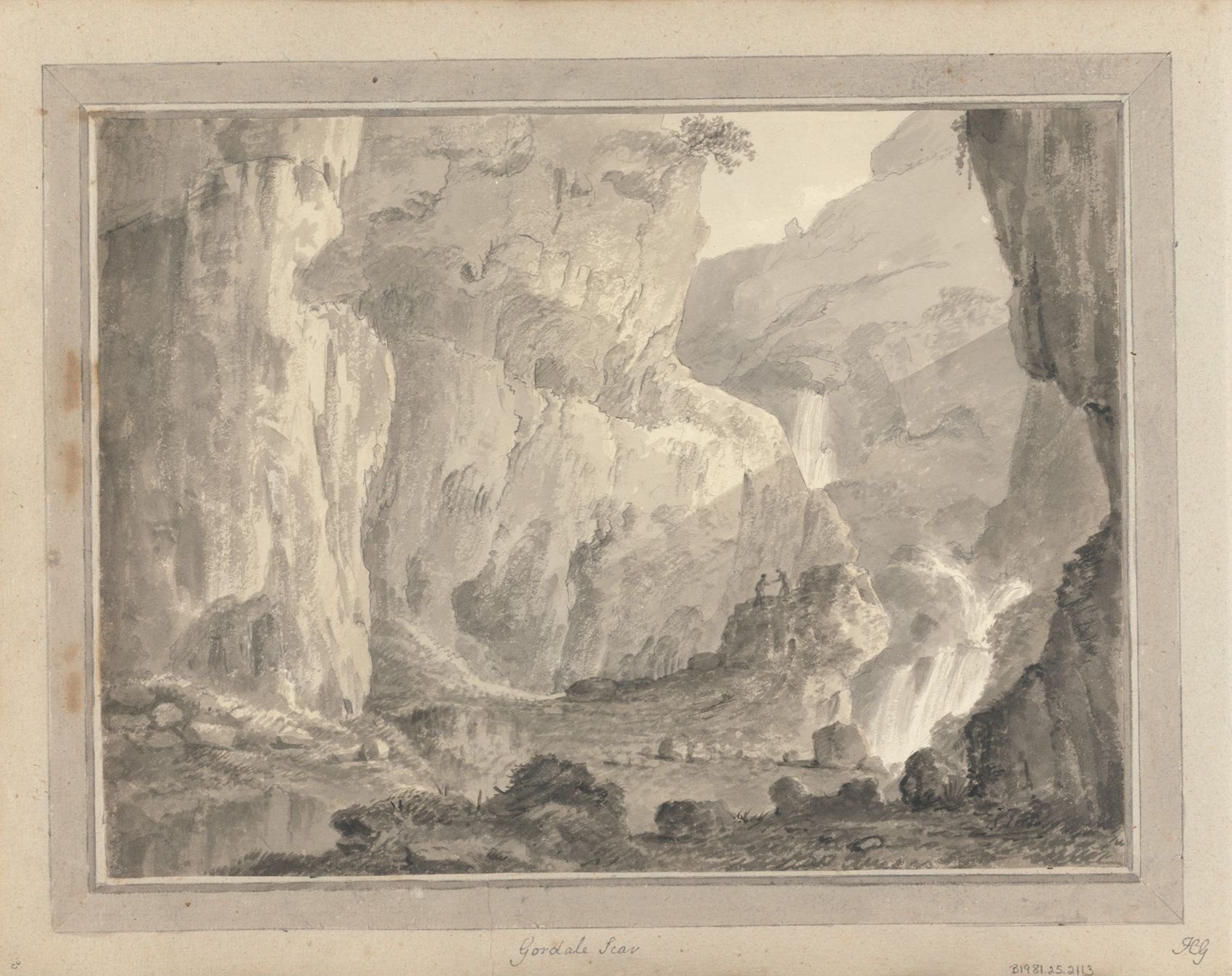
In 1769 the poet Thomas Gray stood under these cliffs. High above him, a goat danced and scratched its ear with its back foot. Gray said he would never have stood where that goat stood. He stayed there a quarter of an hour, shuddering. He said it was worth the trouble.
This story comes from Thomas Gray, writing in 1769.
When you get there Stand under the overhang and look up. Where could a goat stand up there?
What the writers say
Gray in 1769 called the overhanging rock the horror of the place, and he stood under it shuddering. Walker in 1779 compared the gorge to a street of houses a hundred yards high. Phillips heard that its waterfall only began in 1730, after a thunderstorm, and by 1850 Howson found visitors' names painted on the rocks.
-
1695
“Cordill or the Whern, a remarkable Cove ... where there comes out a great stream of water near”
Dr Lister, in Camden's Britannia, naturalist, listing the rare plants of Yorkshire. See the page
Source and note
William Camden, Britannia, ed. Edmund Gibson (London, 1722), 'More rare plants growing wild in Yorkshire'.
Whitaker (1805, p. 195) says Gordale was unknown before Dr Lister, who mentions it 'under the name of Gordale, or the Quern', in his account of Yorkshire plants, which Gibson added to his edition of Camden in 1695. We read the 1722 edition. The sentence ends 'near the said Malham'. The scan runs two columns of the page together, so the cut marks words from the next column, not a cut in the sentence.
-
1769 · 13 October 1769
“on the cliffs above hung a few goats : one of them danced and scratched an ear with its hind foot in a place where I would not have stood”
Thomas Gray, poet, on a tour of the north, keeping a journal for his friend Dr Wharton. See the page
Source
The Letters of Thomas Gray, ed. Duncan C. Tovey, vol. III (London: G. Bell and Sons, 1912), Gray's journal of his tour, page 261.
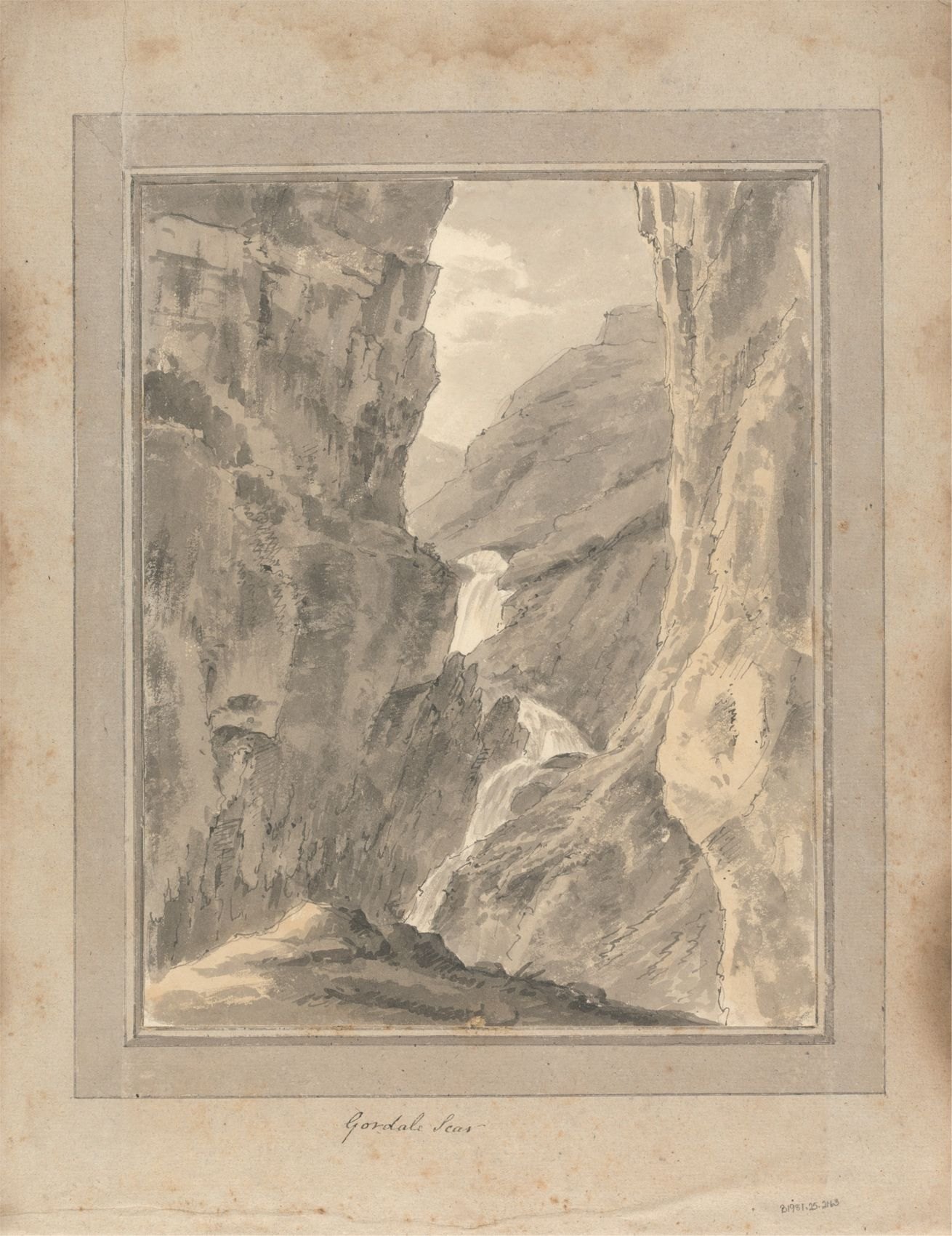
View in England, Scotland and Wales: Gordale Scar, Amos Green, 19th century. Yale Center for British Art. Public domain (CC0 1.0). See the work -
1769 · 13 October 1769
“it is that to the right under which you stand to see the fall, that forms the principal horror of the place”
Thomas Gray, poet, on a tour of the north, keeping a journal for his friend Dr Wharton. See the page
Source
The Letters of Thomas Gray, ed. Duncan C. Tovey, vol. III (London: G. Bell and Sons, 1912), Gray's journal of his tour, page 261.
-
1769 · 13 October 1769
“I stay'd there (not without shuddering) a quarter of an hour, and thought my trouble richly paid”
Thomas Gray, poet, on a tour of the north, keeping a journal for his friend Dr Wharton. See the page
Source
The Letters of Thomas Gray, ed. Duncan C. Tovey, vol. III (London: G. Bell and Sons, 1912), Gray's journal of his tour, page 262.
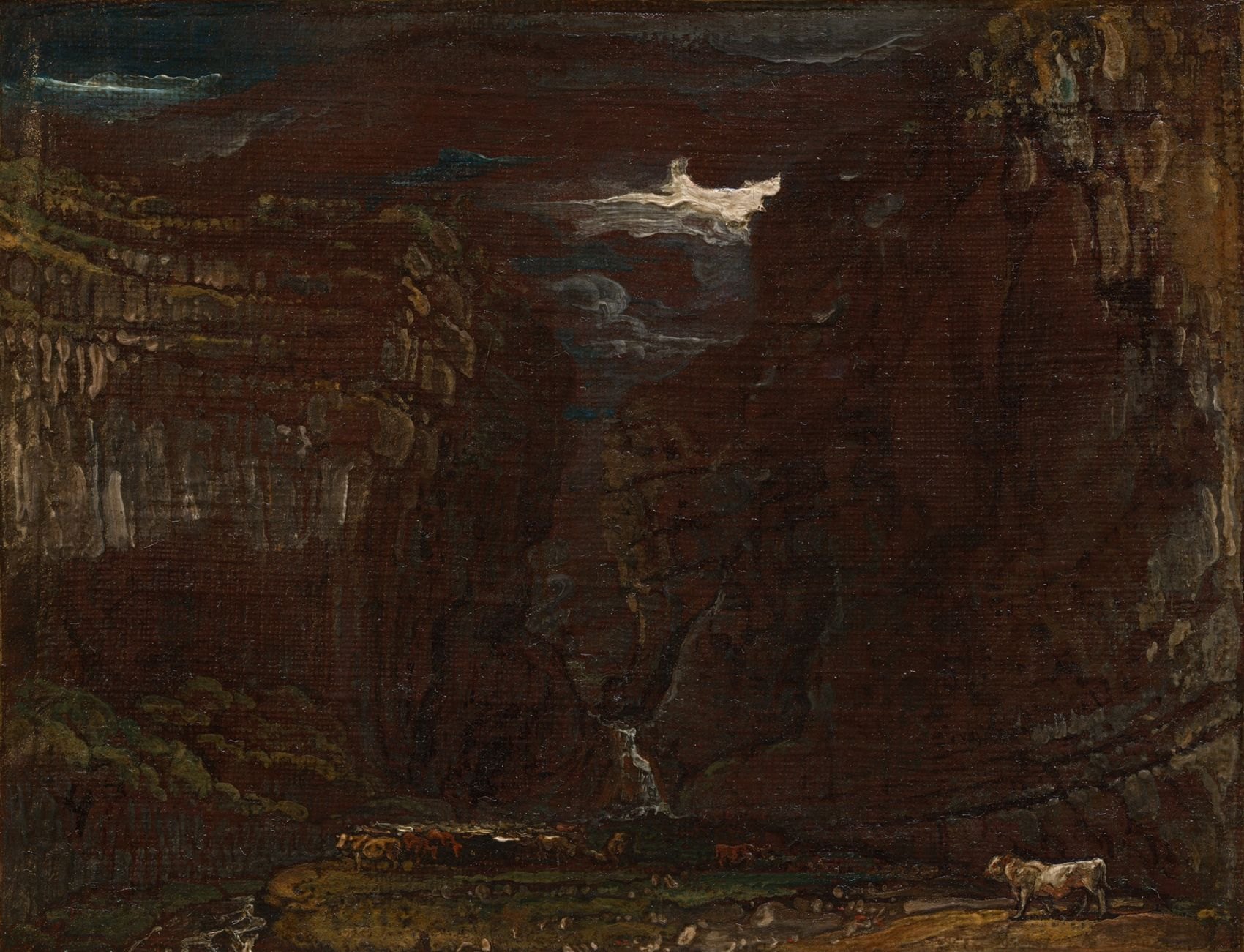
Sketch for 'Gordale Scar', James Ward, between 1812 and 1814. Yale Center for British Art. Public domain (CC0 1.0). See the work -
1779 · 20 September 1779
“Consider yourself in a winding street, with houses above an hundred yards high on each side of you; then figure to yourself a cascade rushing from an upper window, and tumbling over carts, waggons, fallen houses, &c. in promiscuous ruin, and perhaps a cockney idea may be formed of this tremendous cliff.”
Adam Walker, lecturer in natural philosophy, writing to the General Evening Post. See the page
Source
Thomas West, A Guide to the Lakes, 2nd edition (London, 1780), Addenda, reprinting the General Evening Post of 25 September 1779, page 236.
-
1780 · first printed 1780
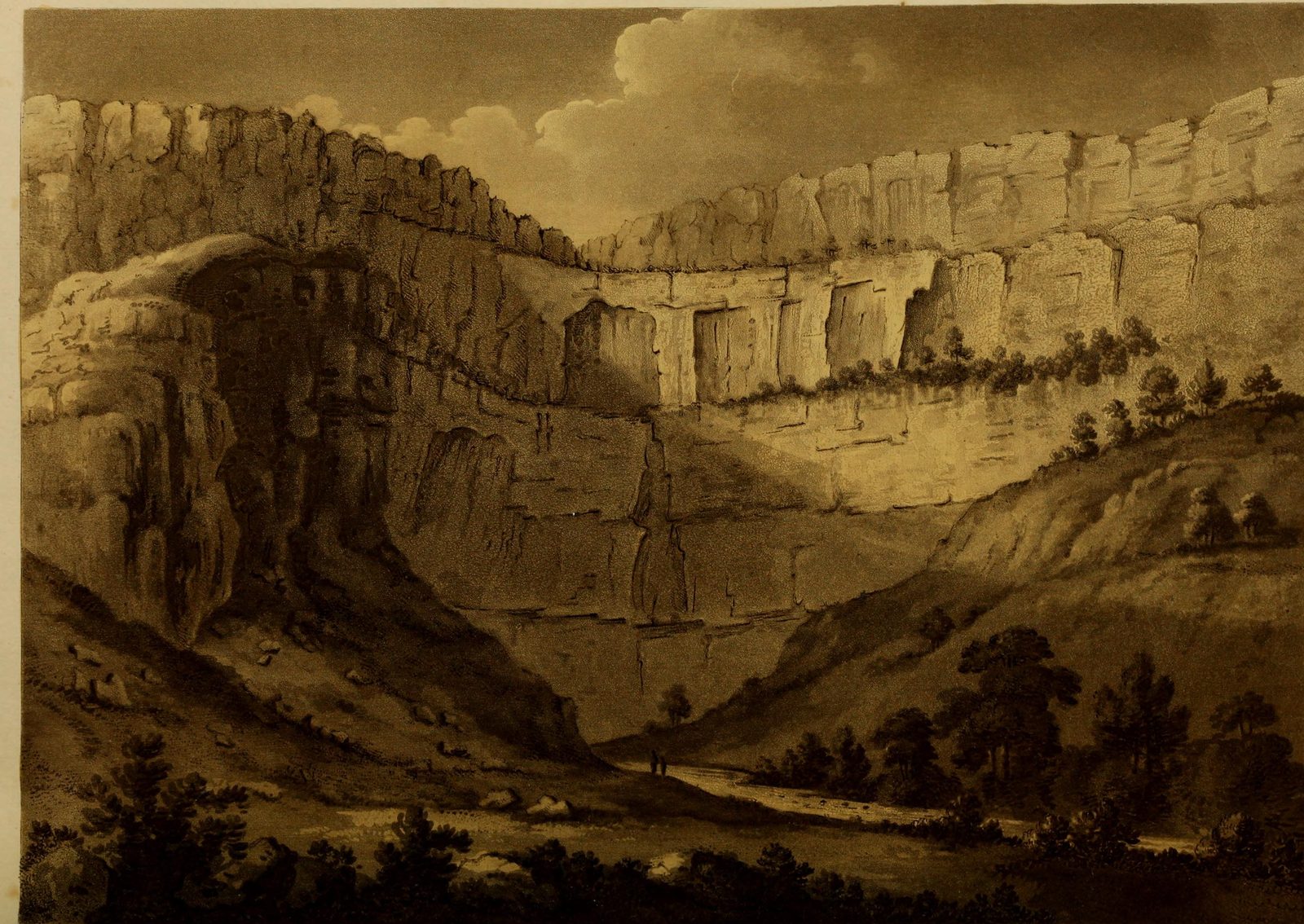
“we found ourselves underneath this huge impending block of solid limestone, near 100 yards high ... Nothing however fell upon us but a few large drops”
Rev. J. Hutton, a clergyman touring the caves of the West Riding. See the page
Source and note
Thomas West, A Guide to the Lakes, 2nd edition (London, 1780), Addenda, 'A Tour to the Caves in the West-Riding of Yorkshire', page 266.
West's Guide of 1780 prints it unsigned, as 'A Tour to the Caves ... in a letter to a friend, now first printed'. Speight (1892, p. 84) names the writer as the Rev. J. Hutton.
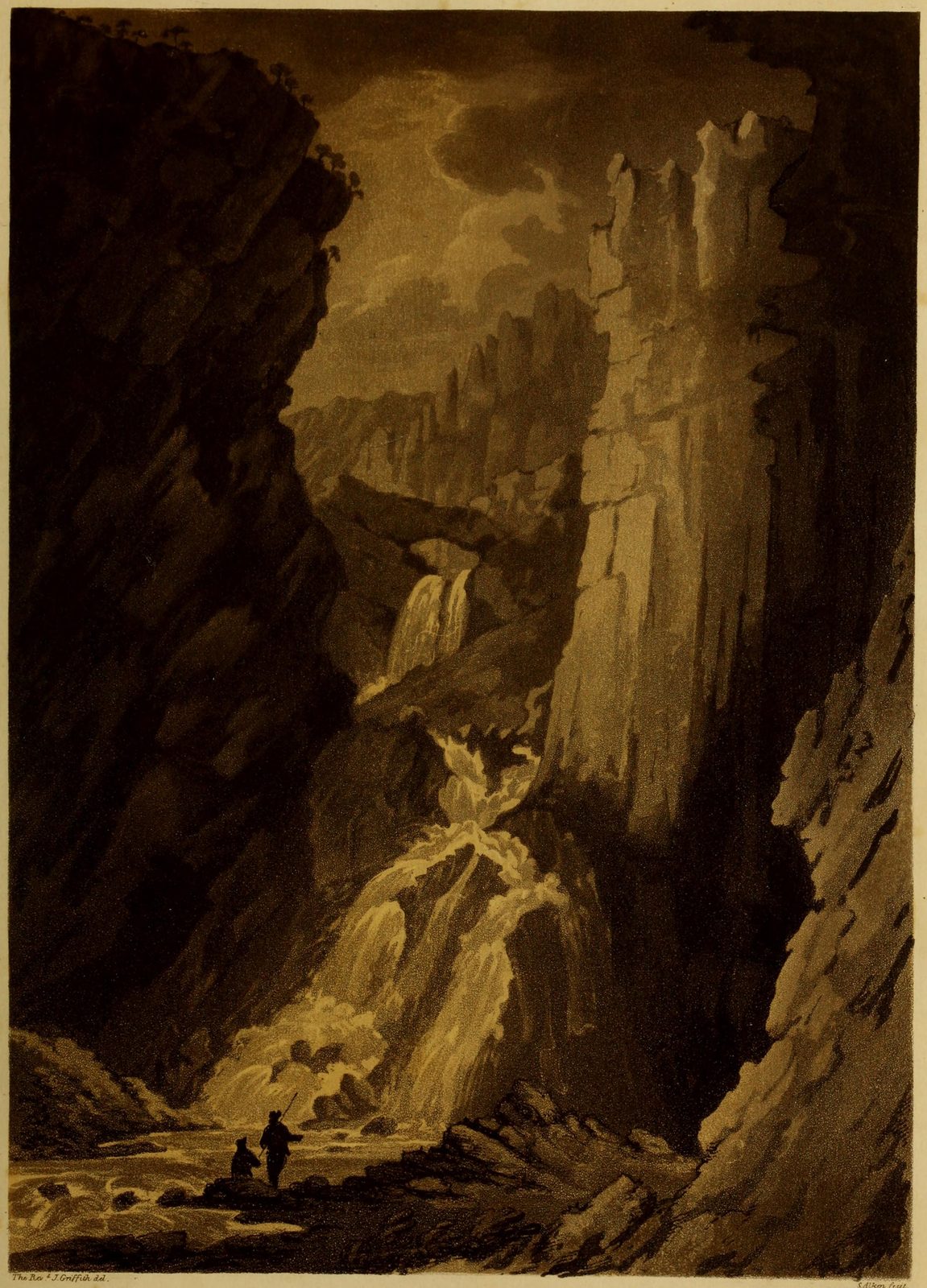
Gordale, The Rev. J. Griffith (drawing); S. Alken (aquatint). From Thomas Dunham Whitaker, The History and Antiquities of the Deanery of Craven (London, 1805). See the page -
1805
“the goat, the old adventurous inhabitant of situations inaccessible to every other quadruped, has been lately banished from the sides of Gordale.”
Thomas Dunham Whitaker, clergyman and historian of Craven. See the page
Source
Thomas Dunham Whitaker, The History and Antiquities of the Deanery of Craven (London, 1805), page 194.
-
1805
“one of the Tempest family leaped his horse across the chasm of Gordale. The inventor ought to have added that his hero's steed was an Hippogrif.”
Thomas Dunham Whitaker, clergyman and historian of Craven. See the page
Source
Thomas Dunham Whitaker, The History and Antiquities of the Deanery of Craven (London, 1805), page 192.
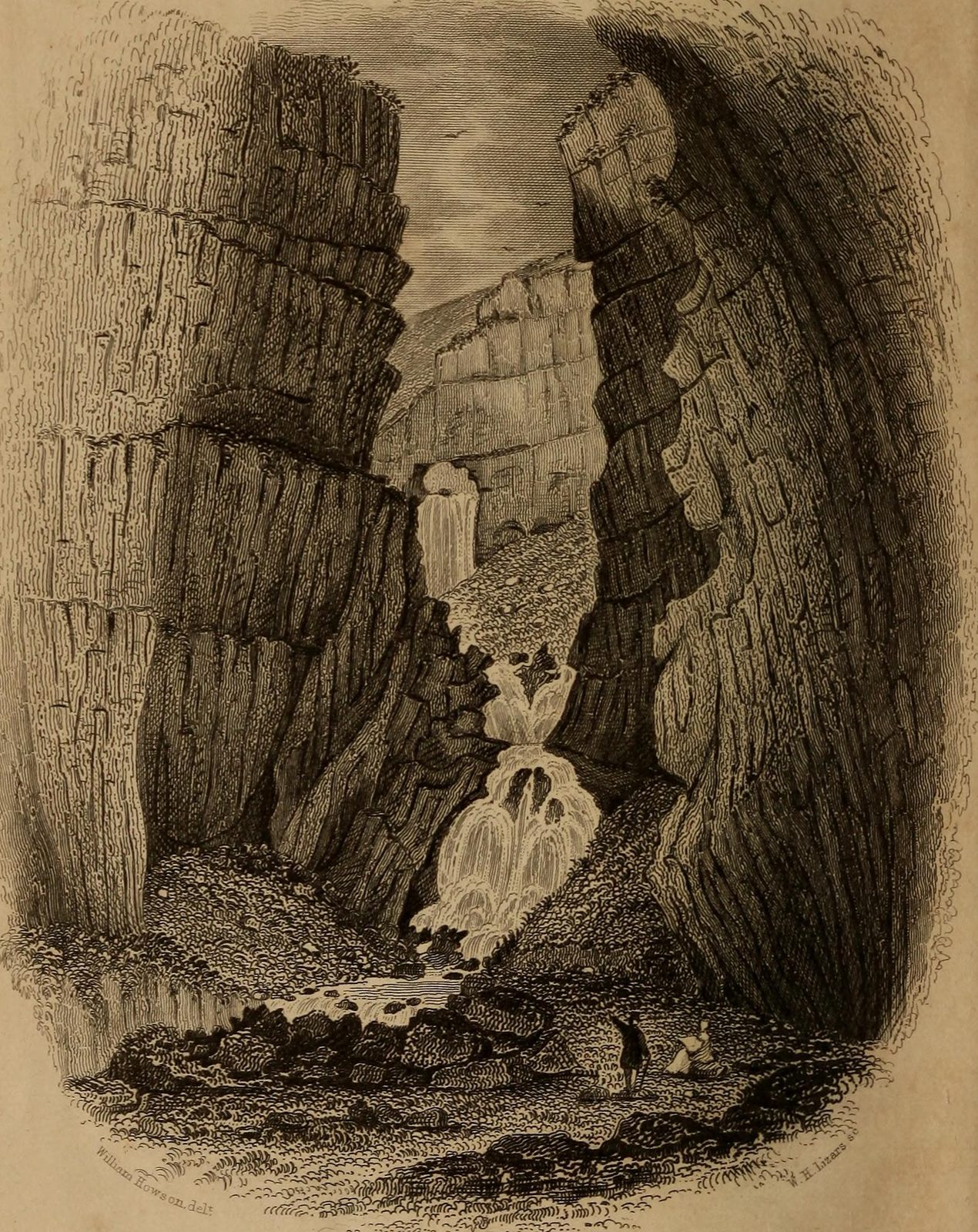
Gordale. From William Howson, An Illustrated Guide to the Curiosities of Craven (London: Whittaker; Settle: Wildman, 1850). See the page -
1807 · July 1807
“From Burnsall we walked with a guide over bare hills to Gordale, and there we rested under the huge rock for several hours, and drank of its cold waters, and ate our dinner.”
Dorothy Wordsworth, writer and diarist, walking home to Grasmere, in a letter to Mrs Clarkson. See the page
Source and note
William Knight (ed.), Letters of the Wordsworth Family from 1787 to 1855, vol. 1 (Boston: Ginn, 1907), page 313.
Afterwards they climbed beside the waterfall and crossed the crags to Malham Cove. They drank tea at the inn and walked back to Gordale in the evening.
-
1819
“Then, pensive votary, let thy feet repair To Gordale-chasm, terrific as the lair”
William Wordsworth, poet. See the page
Source and note
William Wordsworth, Peter Bell, a Tale in Verse (London, 1819), sonnet 'Gordale'; Wikisource transcription.
Howson (1850, p. 43) says Wordsworth did not write his sonnets on the Cove and Gordale on the spot. Westall's engravings gave him the idea.
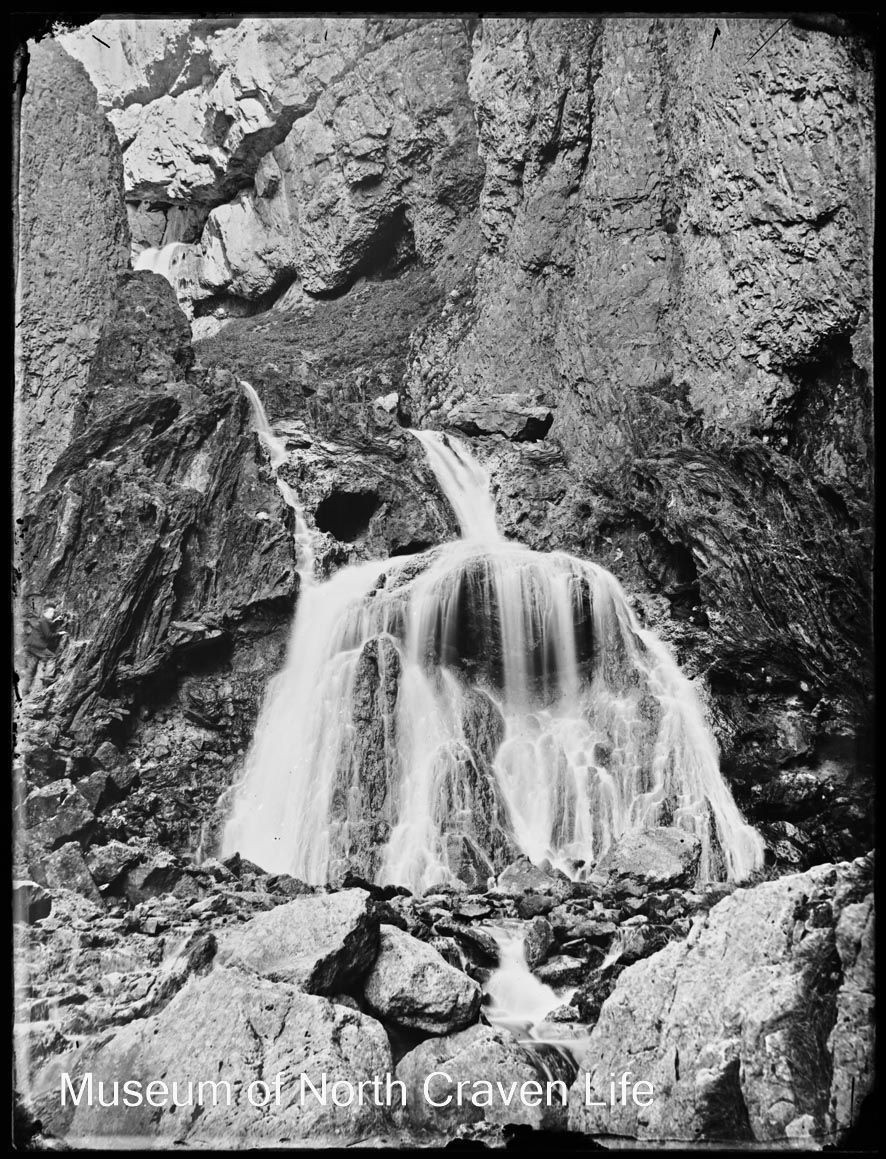
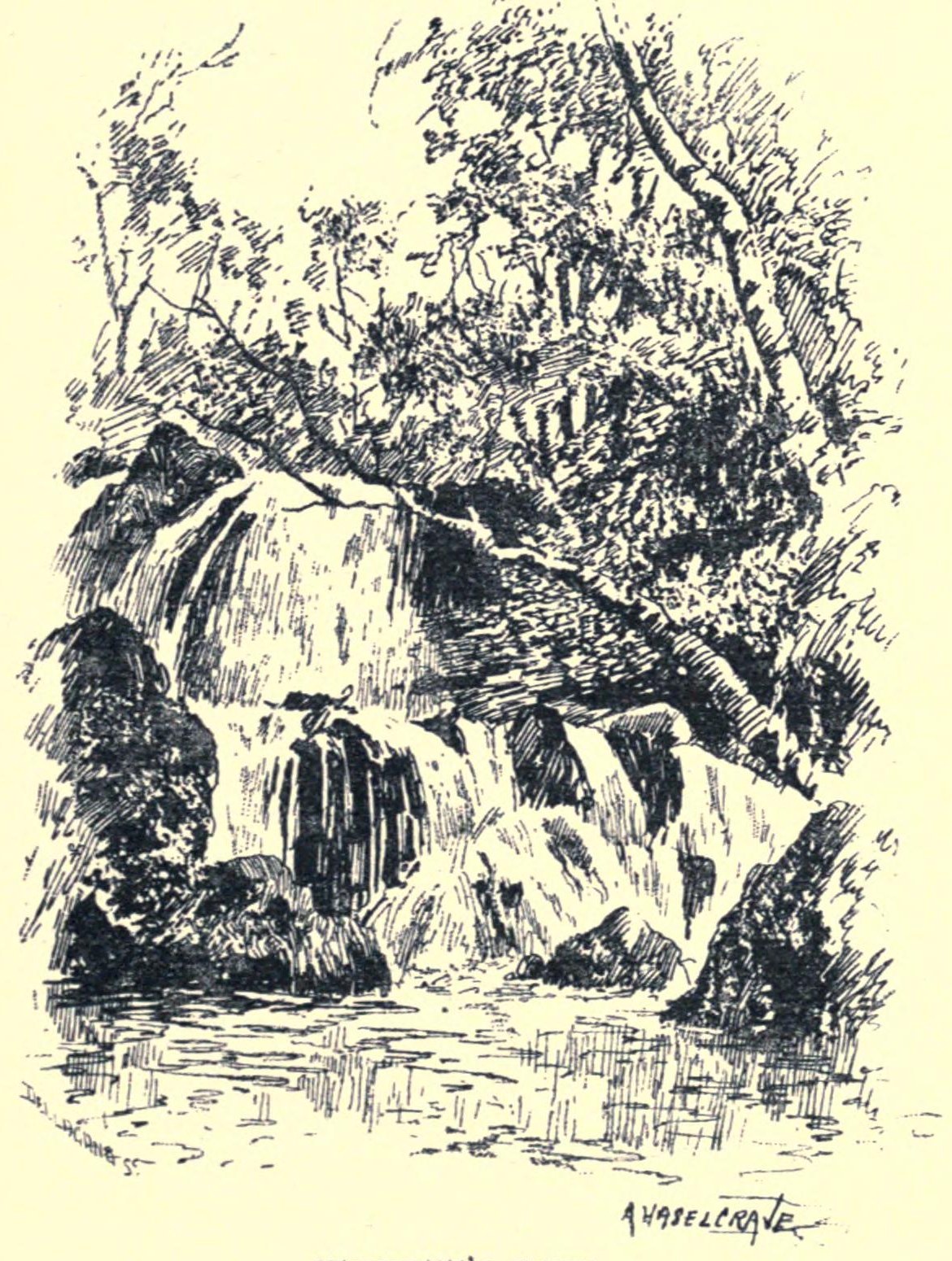
The waterfall in Gordale Scar, Horner Photographic Studio, 1865 to 1880. The Horner Photographic Collection, Museum of North Craven Life (The Folly), Settle. CC BY 4.0. See the work -
1850
“Here the English habit of inscribing names is displayed in perfection. Even the brush and paint pot have been in requisition.”
William Howson, Settle guidebook writer. See the page
Source
William Howson, An Illustrated Guide to the Curiosities of Craven (London and Settle, 1850), page 42.
-
1853
“This is Gordale, which is said to have first received its water in 1730, after a violent thunderstorm.”
John Phillips, geologist. See the page
Source
John Phillips, The Rivers, Mountains, and Sea-Coast of Yorkshire (London, 1853), page 93.
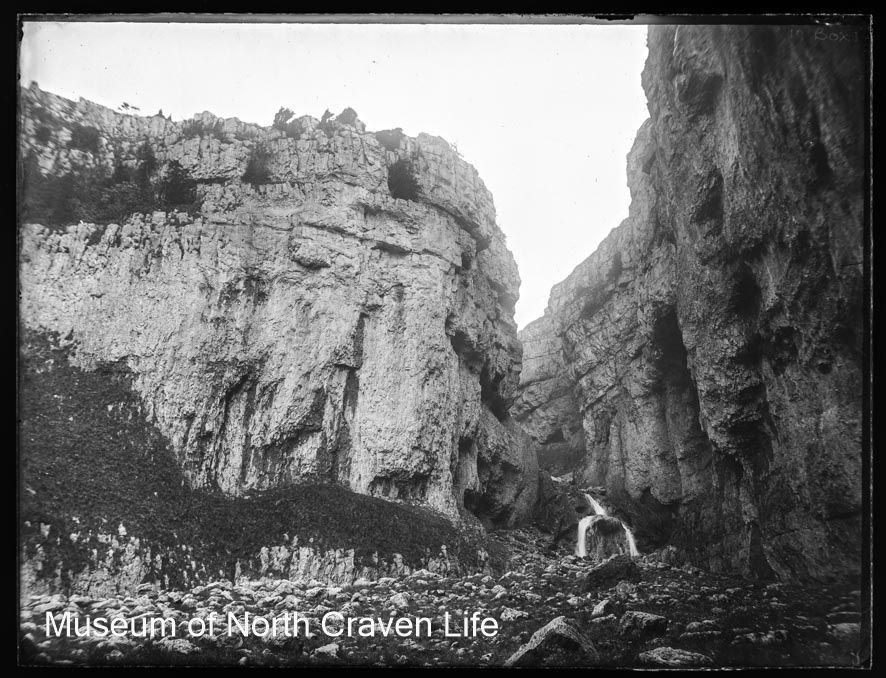
Gordale Scar, Malham, Horner Photographic Studio, about 1875 to about 1925, Victorian. The Horner Photographic Collection, Museum of North Craven Life (The Folly), Settle. CC BY 4.0. See the work -
1854
“LOST on the 20th June, 1854, between Malham and Gordale, a GOLD RING, With WATCH KEY, and TWO SEALS attatched”
Settle Chronicle, the monthly Settle paper. See the page
Source and note
The Settle Chronicle and North Ribblesdale Advertiser, 1854 volume. Scans held by the Museum of North Craven Life, published by the North Craven Building Preservation Trust (CC BY-NC-SA 4.0), page 22.
An advertisement offering ten shillings reward. The spelling 'attatched' is the paper's.
-
1858
“The water makes a bound; strikes the top of a rock, and, rushing down on each side, forms an inverted A of splash and foam.”
A visitor writing in the Settle Chronicle, walking from Settle to Malham with two Yorkshiremen. See the page
Source and note
The Settle Chronicle and North Ribblesdale Advertiser, 1858 volume. Scans held by the Museum of North Craven Life, published by the North Craven Building Preservation Trust (CC BY-NC-SA 4.0), page 33.
The scan prints 'of-splash'. We put 'of splash'.
-
1899 · 30 June 1899
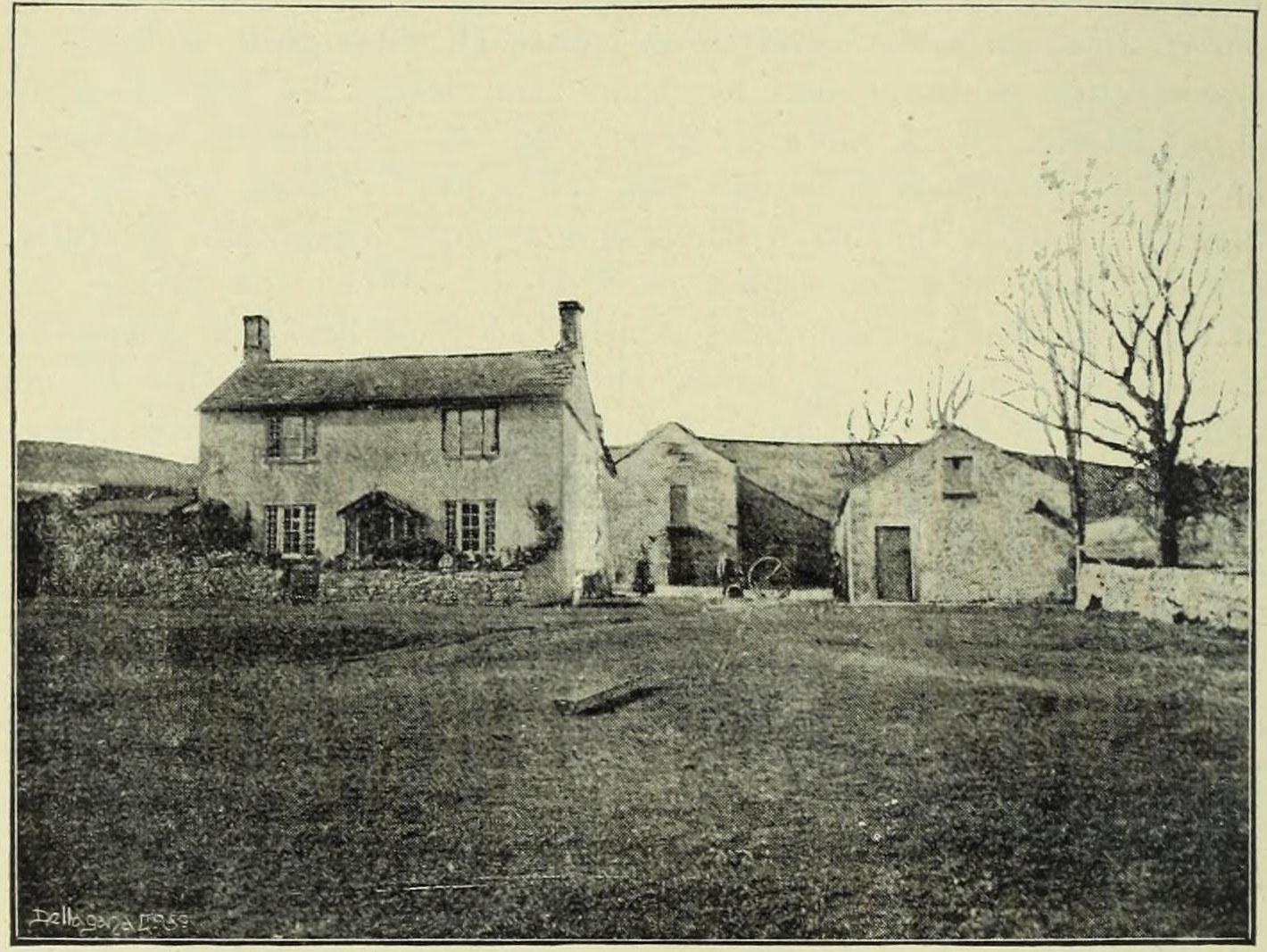
“Passing over Gordale Bridge and through the farm yard in the course of a few hundred yards the gorge gradually opened ... sides are 300 ft. high”
Brighouse News, a newspaper, in the British Newspaper Archive's free search extract. See the page
Source
Brighouse News, 30 June 1899, page 3; the words come from the free extract the British Newspaper Archive's search shows, page 3.