UK · England · North Yorkshire · Craven · Ingleborough, Ingleton and Clapham
Ingleton
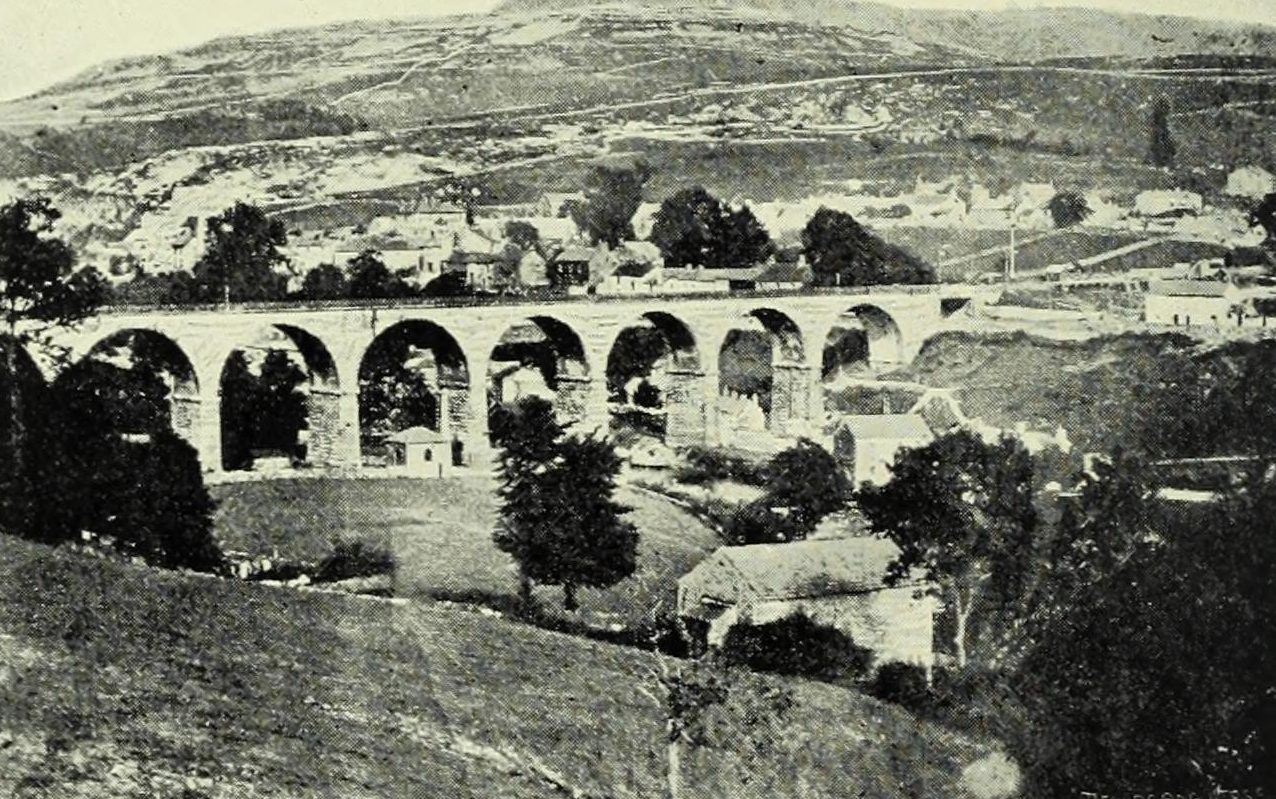
With children
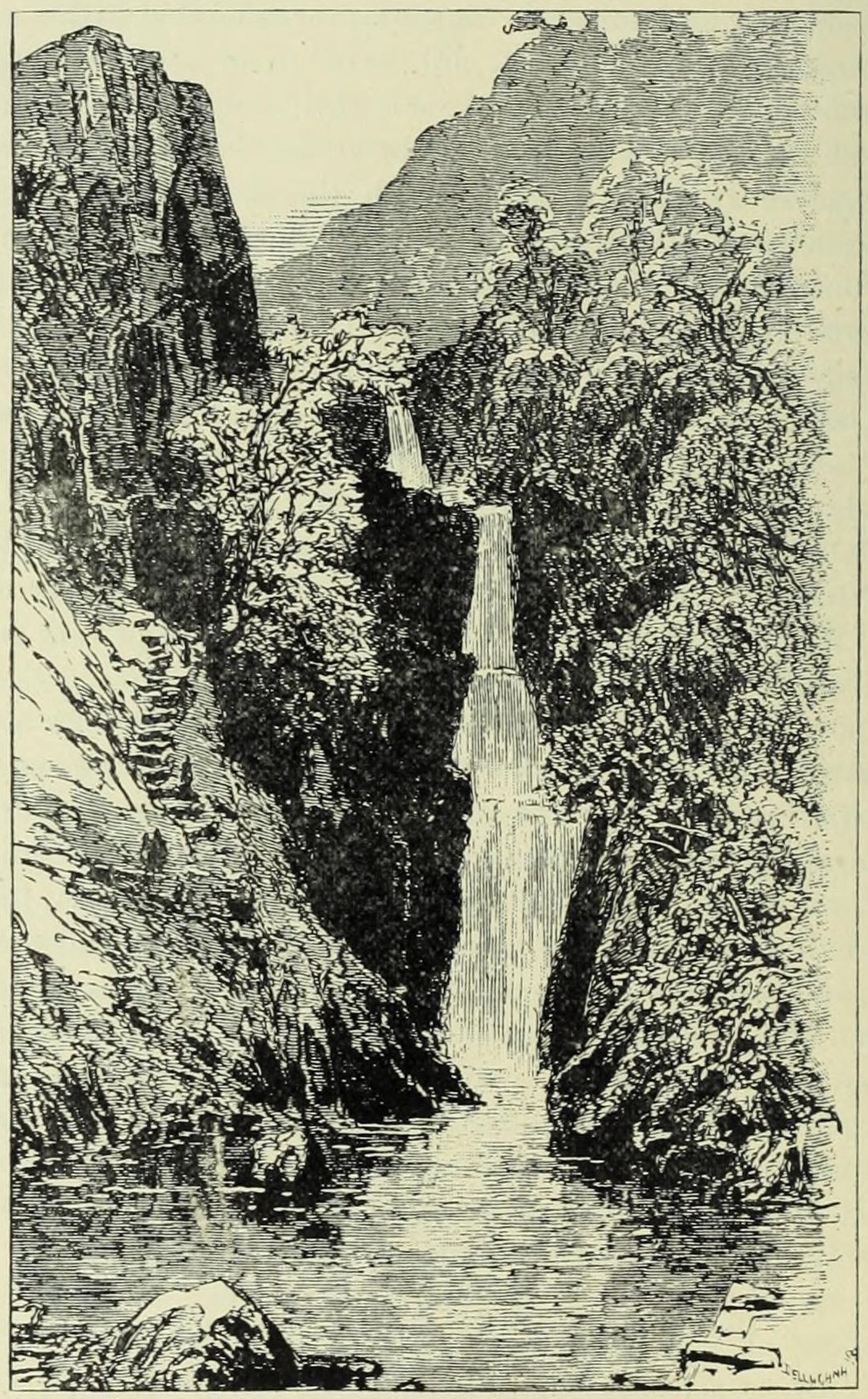
The waterfalls above Ingleton were once unknown, even to the people who lived here. When the newspapers first described them, many local people could hardly believe it. The glens opened to the public on Good Friday, 3 April 1885.
This story comes from Harry Speight, writing in 1892, and Thomas Gray, writing in 1769.
When you get there Find Ingleborough, the big flat-topped hill. Thomas Gray called it a huge creature.
What the writers say
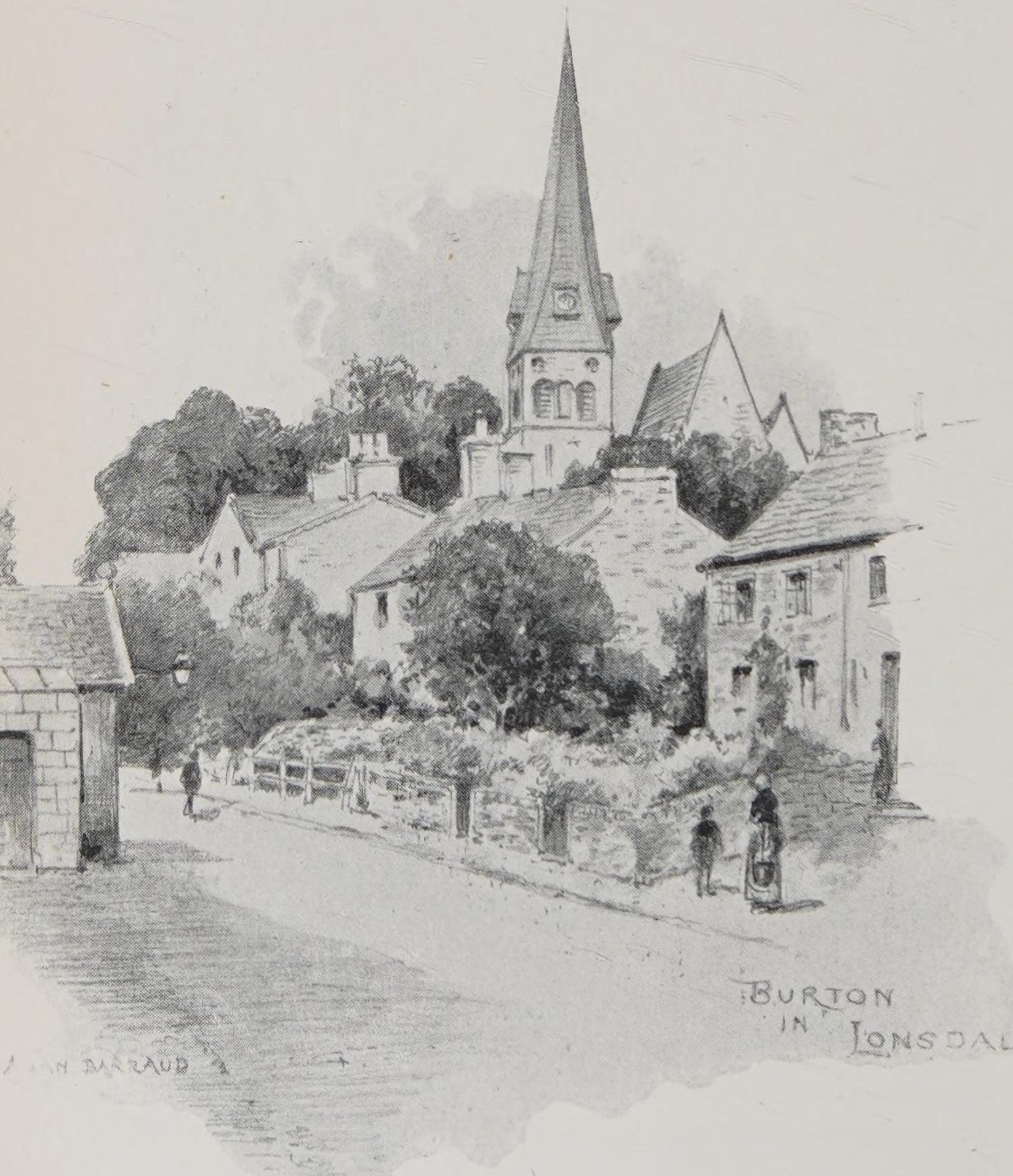
Gray in 1769 and Hutton both call Ingleton a pretty village under Ingleborough. Speight says even the people of Ingleton did not know the waterfall glens until the new paths. The glens opened to the public on Good Friday 1885.
-
1086
“Inglestune (Ingleton) six carucates”
Domesday Book, the king's survey of 1086, in Speight's English. See the page
Source
Domesday Book (1086), translated in Harry Speight, The Craven and North-West Yorkshire Highlands (1892), page 208.
-
1769 · 12 October 1769
“Ingleton 18 miles: it is a pretty village, situated very high and yet in a valley at the foot of that huge creature of God Ingleborough.”
Thomas Gray, poet, touring the north. See the page
Source
Gray's journal of his tour, in The Letters of Thomas Gray, ed. Duncan C. Tovey, vol. III (London: G. Bell, 1912), page 260.
-
1773
“seated at the foot of the great mountain of Ingleborough, which looks like Ossa upon Pelion”
Thomas Pennant, Welsh naturalist and travel writer, touring in 1773. See the page
Source and note
Thomas Pennant, A Tour from Downing to Alston-Moor (London: Edward Harding, 1801); the tour was made in 1773, page 114.
In the Greek myth, giants piled Mount Ossa on Mount Pelion to reach the gods.
-
1773
“that rare and singular flower the Cypripedium calceolus”
Thomas Pennant, Welsh naturalist and travel writer, touring in 1773. See the page
Source and note
Thomas Pennant, A Tour from Downing to Alston-Moor (London: Edward Harding, 1801); the tour was made in 1773, page 114.
The lady's slipper orchid, which Pennant lists among the scarce plants about the town of Ingleton.
-
1779 · tour of about 1779, printed 1789
“Ingleton is a pretty village, pleasantly situated on a natural mount”
Rev. J. Hutton, clergyman, touring the caves. See the page
Source
A Tour to the Caves in the West-Riding of Yorkshire, printed in Thomas West, A Guide to the Lakes, 4th edition (London and Kendal, 1789), page 252.
-
1854 · April 1854
“the village of Bentham was drawn from its usual quiet, by a report that Mr. Coates' Cotton Mill, at Ingleton was on Fire, which proved but too true.”
Settle Chronicle, the monthly Settle paper. See the page
Source and note
The Settle Chronicle and North Ribblesdale Advertiser, 1854 volume. Scans held by the Museum of North Craven Life, published by the North Craven Building Preservation Trust (CC BY-NC-SA 4.0), page 16.
The scan breaks 'report' across a line. We joined it.
-
1892
“The parochial chapel at Ingleton is of undoubted antiquity, but of its origin we have no record. It was formerly in the parish of Bentham, and a dependency of the See of Chester.”
Harry Speight, Yorkshire topographer. See the page
Source
Harry Speight, The Craven and North-West Yorkshire Highlands (London: Elliot Stock, 1892), page 213.
-
1892
“They were first open to the public on Good Friday, April 3rd, 1885.”
Harry Speight, Craven historian and walker. See the page
Source
The Craven and North-West Yorkshire Highlands (London: Elliot Stock, 1892), page 226.
-
1892
“these glens were unknown then, even to the inhabitants themselves, many of whom looked with doubtful surprise on the first descriptions of them in the papers.”
Harry Speight, Craven historian and walker. See the page
Source
The Craven and North-West Yorkshire Highlands (London: Elliot Stock, 1892), page 224.