UK · England · North Yorkshire · Craven · Ingleborough, Ingleton and Clapham
Clapham
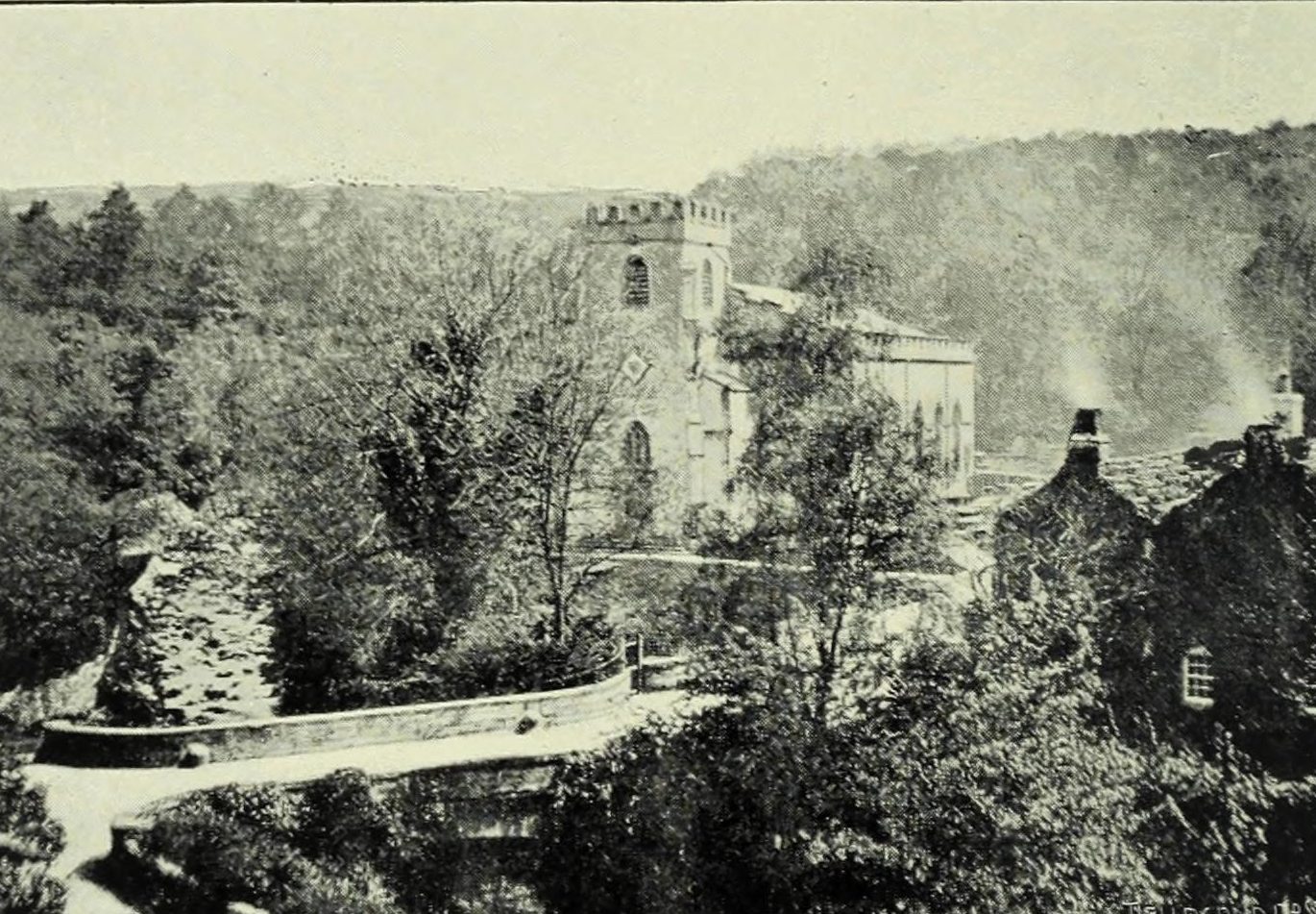
With children
A blacksmith called James Faraday once worked in Clapham. His son was the famous scientist Sir Michael Faraday. Harry Speight said Clapham might be the prettiest village in Yorkshire.
This story comes from Harry Speight, writing in 1892.
When you get there Is this the prettiest village in Yorkshire? Everyone gets one vote.
What the writers say
Speight calls Clapham the prettiest village in Yorkshire. He also says Michael Faraday's father worked there as a blacksmith, and Domesday lists Clapham among Torfin's twelve manors.
-
1086
“In Oustewic and Heldetune (Austwick and Eldroth (?)) Clapeham (Clapham) ... These Torfin had for twelve manors.”
Domesday Book, the king's survey of 1086, in Speight's English. See the page
Source
Domesday Book (1086), translated in Harry Speight, The Craven and North-West Yorkshire Highlands (1892), page 162.
-
1854
“An experimental trial of The power of this machine was made on Saturday last, in the village of Clapham, in the presence of Mr. Farrer's Family”
Settle Chronicle, the monthly Settle paper. See the page
Source and note
The Settle Chronicle and North Ribblesdale Advertiser, 1854 volume. Scans held by the Museum of North Craven Life, published by the North Craven Building Preservation Trust (CC BY-NC-SA 4.0), page 43.
The machine was a Fire Annihilator. The trial burnt an old cottage that was due to come down.
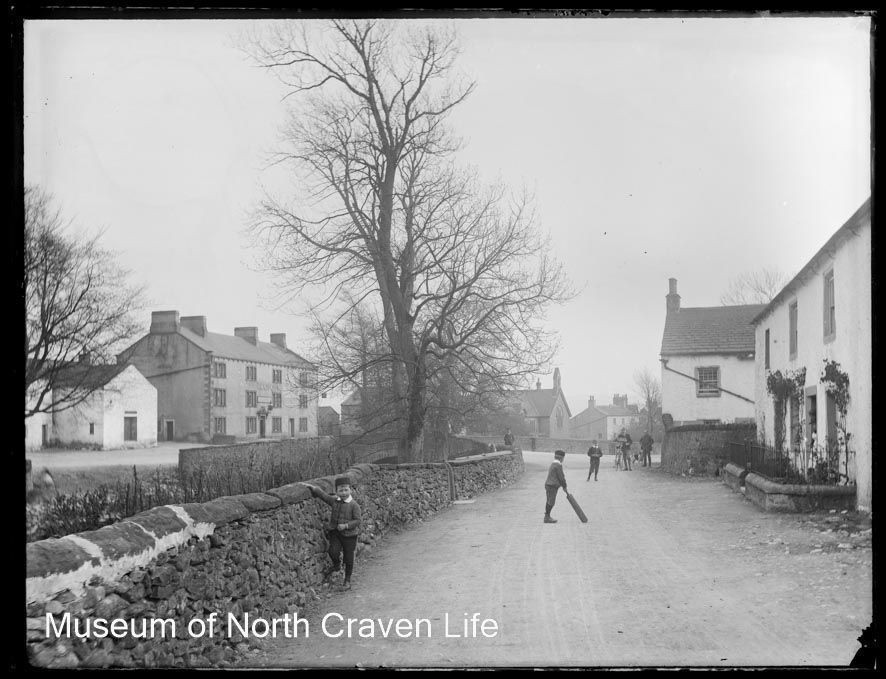
Boys playing cricket in the street, Clapham, Horner Photographic Studio, about 1875 to about 1925, Victorian. The Horner Photographic Collection, Museum of North Craven Life (The Folly), Settle. CC BY 4.0. See the work -
1857
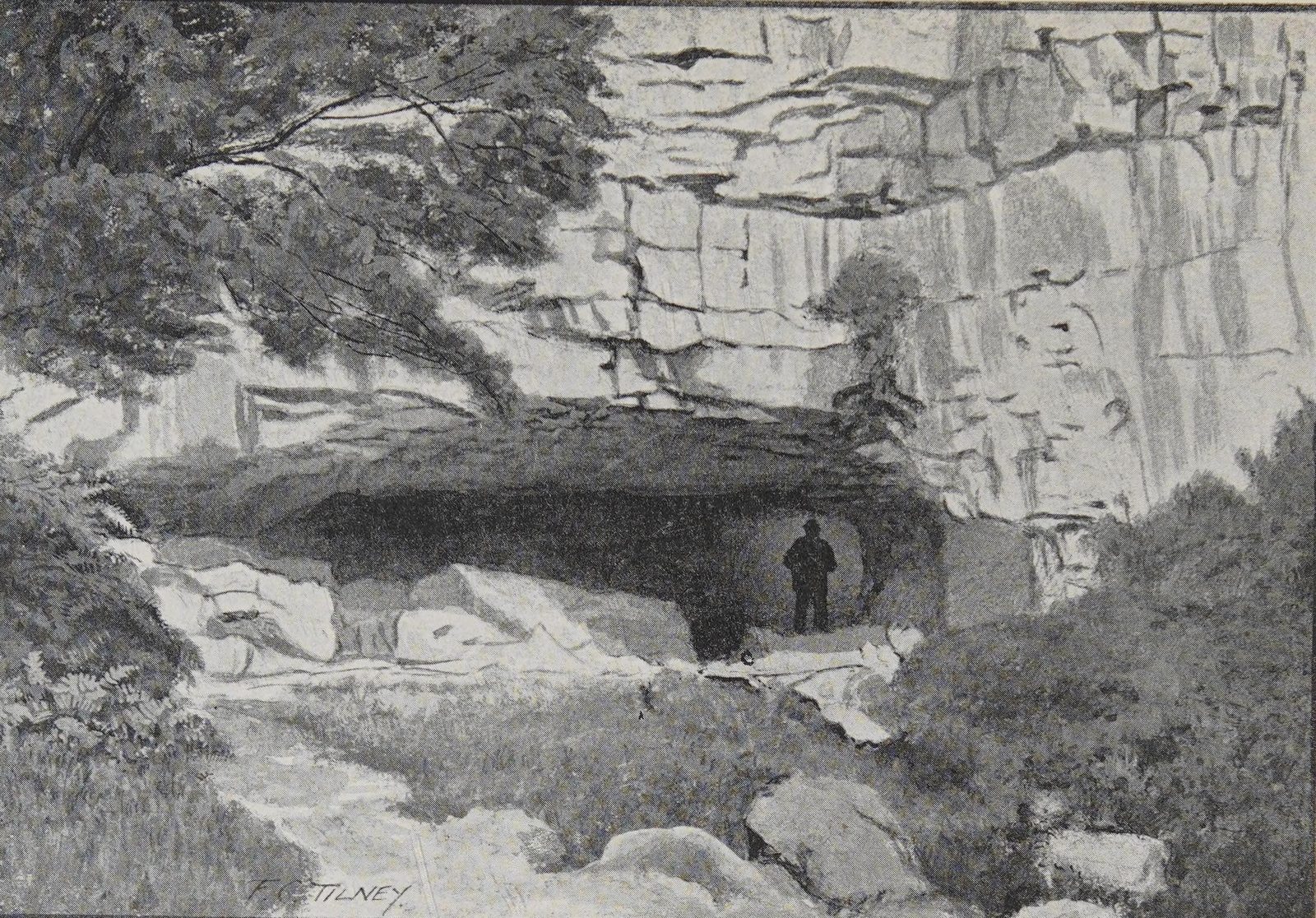
“the guide is a quiet, sensible, manly character, respectful to those who employ him, and speaks good English, not the Craven . vernacular, and is moreover ignorant of slang”
A letter to the Settle Chronicle, defending the guide at Clapham Cave. See the page
Source and note
The Settle Chronicle and North Ribblesdale Advertiser, 1857 volume. Scans held by the Museum of North Craven Life, published by the North Craven Building Preservation Trust (CC BY-NC-SA 4.0), page 43.
The letter answers an earlier piece in the paper, Craven Reminiscences, about the guide at Clapham Cave.
-
1859
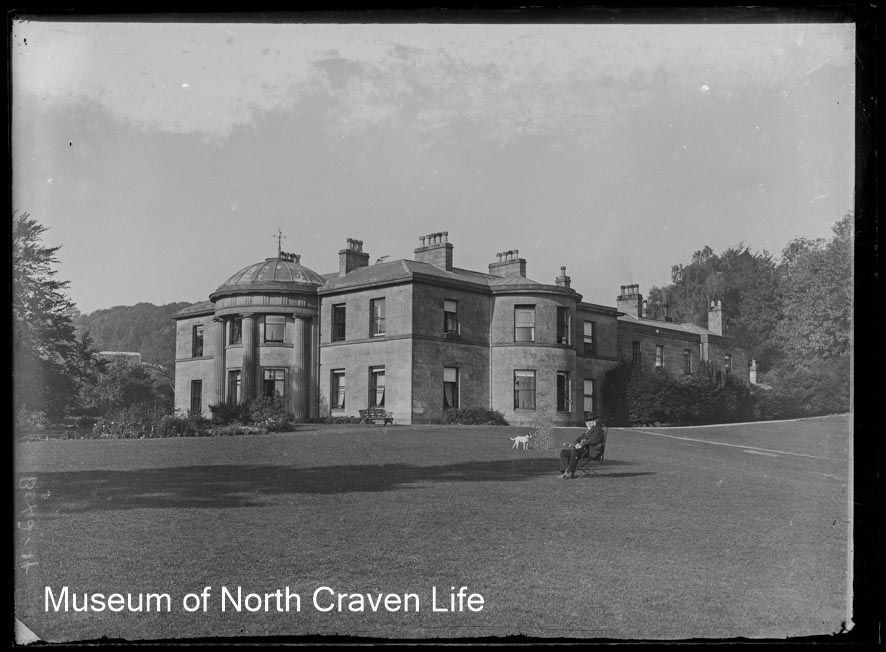
“Clapham was thrown into a state of great alarm and excitement by a cry, that lngleborough House, the residence of J. W. Farrer, Esq., was on fire.”
Settle Chronicle, the monthly Settle paper. See the page
Source and note
The Settle Chronicle and North Ribblesdale Advertiser, 1859 volume. Scans held by the Museum of North Craven Life, published by the North Craven Building Preservation Trust (CC BY-NC-SA 4.0), page 43.
We copied it as the scan prints it, with 'lngleborough' for Ingleborough.
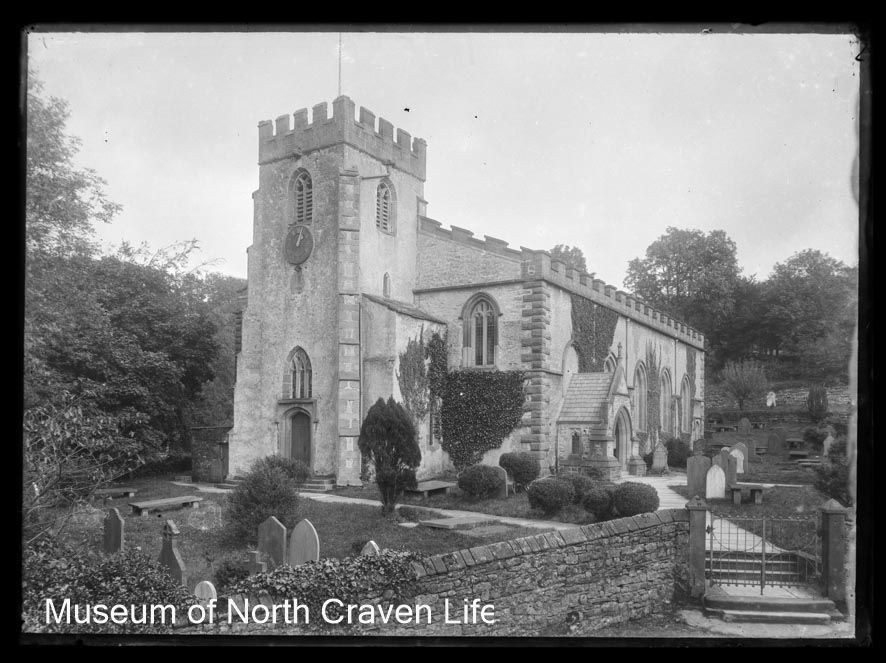
St James's church, Clapham, Horner Photographic Studio, 1890 to 1920, Victorian. The Horner Photographic Collection, Museum of North Craven Life (The Folly), Settle. CC BY 4.0. See the work -
1892
“James Faraday, of this family, who worked as a blacksmith at Clapham, was father of the celebrated Sir Michael Faraday”
Harry Speight, Craven historian and walker. See the page
Source
The Craven and North-West Yorkshire Highlands (London: Elliot Stock, 1892), page 151.
-
1892
“It has a winged horse-shoe pictured upon it, which is simply the crest of the Farrers”
Harry Speight, Craven historian and walker. See the page
Source
The Craven and North-West Yorkshire Highlands (London: Elliot Stock, 1892), page 146.
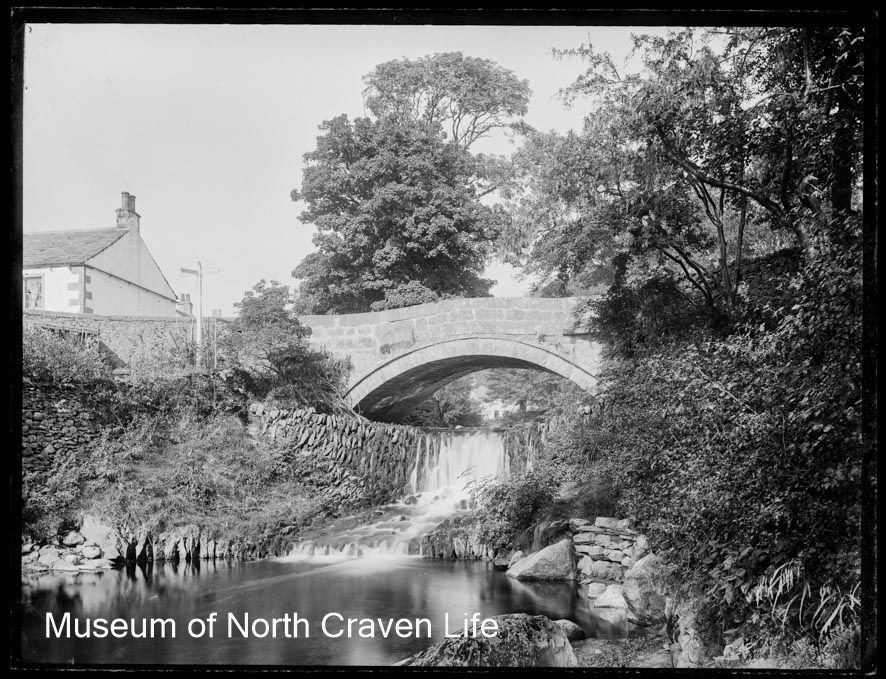
The bridge and waterfall, Clapham, Horner Photographic Studio, about 1875 to about 1925, Victorian. The Horner Photographic Collection, Museum of North Craven Life (The Folly), Settle. CC BY 4.0. See the work -
1892
“we would fain claim for it the title of “the prettiest village in Yorkshire.””
Harry Speight, Craven historian and walker. See the page
Source
The Craven and North-West Yorkshire Highlands (London: Elliot Stock, 1892), page 145.
Visit
From the guide. Nobody pays to be here.
The New Inn, Clapham
The New Inn is the coaching inn by the beck in Clapham.
“At Clapham, the New Inn, and the Bull and Cave.”
William Howson, 1850. See the page